

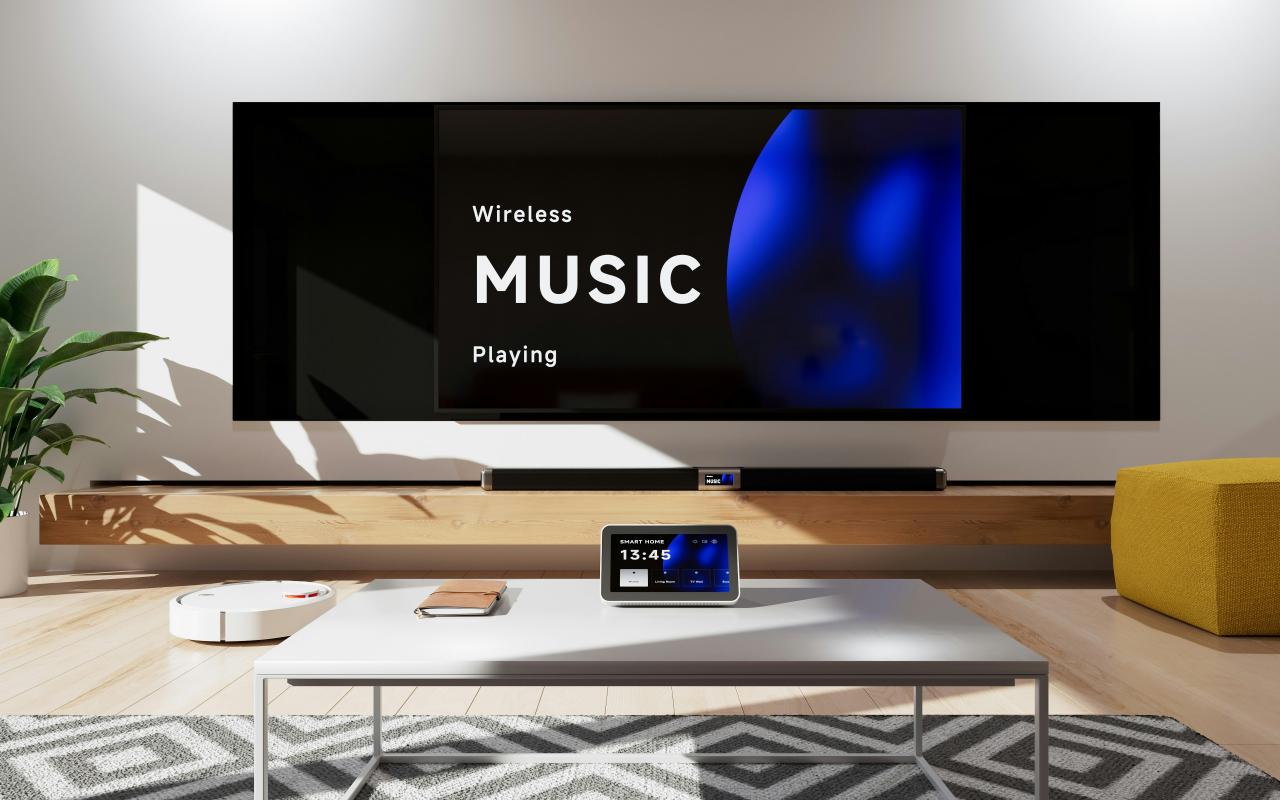
The concept of integrating eco-friendly smart energy living systems into modern residential and commercial properties has moved from a futuristic dream to an absolute necessity for those seeking long-term value and sustainability. Homeowners and investors are increasingly looking for ways to reduce their carbon footprint while simultaneously increasing the operational efficiency of their buildings through advanced technology. These systems represent a sophisticated blend of hardware, software, and renewable resources that work in perfect harmony to manage power consumption without sacrificing comfort or luxury.
When we talk about smart energy, we are discussing the strategic deployment of sensors, automated controllers, and high-capacity storage solutions that adapt to the specific habits of the occupants. The transition to a green energy model involves understanding the intricate relationship between local weather patterns, daily energy peaks, and the specific thermal properties of a structure. By investing in these comprehensive setups, property owners can ensure they are protected against rising utility costs and volatile energy markets that often disrupt traditional grids.
This deep dive into the world of smart living explores how various components like high-efficiency panels, intelligent climate control, and recycled water systems create a cohesive ecosystem. We must also consider the role of material science in the development of insulation and windows that contribute to a building’s overall energy balance. Every small adjustment in how a building breathes and consumes light adds up to a massive impact over several decades of use. It is truly about creating a legacy of responsibility while enjoying the perks of a modern, tech-driven lifestyle that prizes both innovation and environmental stewardship.
A. Advanced Photovoltaic Power Generation

Modern solar technology has evolved far beyond the basic blue panels seen on roofs a decade ago. High-efficiency monocrystalline cells now capture a much wider spectrum of sunlight even during cloudy days.
These panels are often paired with micro-inverters that allow each unit to function independently for maximum output. This setup prevents a single shaded panel from dropping the performance of the entire solar array.
Integrating these systems into the building envelope ensures a sleek aesthetic that adds significant market value to any property. The durability of current photovoltaic materials ensures a lifespan that spans several decades of consistent performance.
B. High Capacity Energy Storage Solutions
Capturing energy is only half the battle in a truly smart home environment. You need a robust storage system to hold that power for use during the night or peak demand hours.
Lithium-iron-phosphate batteries have become the gold standard for residential energy storage due to their safety and long cycle life. These units occupy very little space and can be installed in garages or utility rooms with ease.
Sophisticated management software tracks your usage patterns to decide when to store energy and when to discharge it. This automation ensures that your home always draws from the cheapest or cleanest available source.
C. Intelligent Climate Management Hardware
Heating and cooling usually account for the largest portion of a building’s energy consumption. Smart thermostats and multi-zone HVAC systems allow for precise temperature control in every individual room.
Sensors can detect when a room is unoccupied and automatically adjust the temperature to save power. This granular level of control prevents the waste associated with cooling an empty house all day.
Advanced heat pumps are also a core component of this category, moving thermal energy rather than generating it through combustion. This method is incredibly efficient and works well in both summer and winter conditions.
D. Smart Lighting And Sensor Networks
LED technology has revolutionized how we illuminate our living spaces with minimal wattage. When combined with smart dimmers and motion sensors, the energy savings become even more substantial.
System controllers can mimic natural daylight cycles to improve the well-being and productivity of the inhabitants. This circadian lighting approach is both a luxury feature and a health-conscious design choice.
Automated shades also play a role by opening or closing based on the intensity of the sun. This reduces the load on your cooling system by blocking out thermal heat during the hottest parts of the day.
E. Water Conservation And Greywater Recycling
Eco-friendly living extends to how we manage our precious water resources within the home. Smart irrigation systems use local weather data to ensure gardens are only watered when absolutely necessary.
Low-flow fixtures and high-efficiency appliances drastically reduce the total gallons used per day. These components are designed to provide the same level of pressure and performance as traditional models.
Greywater recycling systems can take water from showers or sinks and treat it for use in toilets or landscaping. This circular approach to resource management is a hallmark of a truly sustainable living environment.
F. High Performance Building Insulation
The best way to save energy is to prevent it from escaping the building in the first place. High-performance insulation materials like spray foam or recycled cellulose provide a superior thermal barrier.
Triple-pane windows with low-emissivity coatings are another essential investment for smart energy homes. They keep the heat inside during the winter and reflect it away during the summer months.
A well-sealed building envelope reduces the mechanical load on your climate control systems. This leads to a longer lifespan for your equipment and lower maintenance costs over time.
G. Smart Appliance Integration
The modern kitchen and laundry room are now filled with appliances that communicate with the central energy hub. Dishwashers and dryers can be programmed to run during off-peak hours when electricity is cheapest.
These machines are built with sensors that determine the exact amount of water or heat needed for a specific load. This precision eliminates the waste typically found in older, manual appliance models.
Remote monitoring allows you to check the status of your appliances from anywhere in the world. You can receive alerts if a fridge door is left open or if a leak is detected.
H. Electric Vehicle Charging Infrastructure
As the world shifts toward electric mobility, having a dedicated charging station at home is a major convenience. Smart chargers can be synced with your solar panels to fuel your car with pure sunlight.
This integration allows for bi-directional charging where your car battery can actually power your home during an outage. This concept turns your vehicle into a mobile energy reservoir for emergencies.
Level 2 charging stations are the standard for residential installs, offering much faster speeds than a typical wall outlet. They are designed to handle high current loads safely and efficiently every night.
I. Automated Home Energy Auditing
Continuous monitoring of energy flows allows the system to perform its own audits in real-time. You can see exactly which devices are consuming the most power through a simple dashboard.
The system identifies anomalies that might indicate a failing component or a leak in the thermal envelope. This proactive approach saves money by catching small issues before they become expensive repairs.
Data visualization helps residents understand their habits and make informed choices about their lifestyle. It turns the invisible flow of electricity into actionable insights for the whole family.
J. Sustainable Material Selection
Building a smart home involves looking at the lifecycle of every material used in construction. Sustainably sourced timber and recycled metal components reduce the embodied carbon of the structure.
Non-toxic paints and finishes ensure that the indoor air quality remains high for the occupants. This focus on health is a core pillar of the modern eco-friendly philosophy.
Using local materials also reduces the energy required for transportation and supports the regional economy. Every choice made during the design phase impacts the long-term sustainability of the project.
K. Integrated Security And Safety Systems
Energy efficiency and security often go hand-in-hand in a smart living ecosystem. Automated locks and cameras use very little power but provide immense peace of mind.
Smart smoke and carbon monoxide detectors are linked to the central hub to provide instant alerts to your phone. They can even shut down the HVAC system to prevent the spread of smoke during an emergency.
Motion-activated exterior lighting keeps the perimeter secure without leaving bright lights on all night. This reduces light pollution and saves electricity simultaneously.
L. Centralized Ecosystem Management
A single interface allows you to control every aspect of your smart energy home from one place. Whether it is a wall-mounted tablet or a smartphone app, the user experience is designed to be intuitive.
Voice commands can be used to adjust lighting, temperature, or even start a coffee machine. This hands-free interaction adds a layer of convenience that defines the luxury smart home experience.
The system can be updated over the air to add new features and improve performance over time. This ensures that your home stays at the cutting edge of technology without needing hardware replacements.
M. Thermal Mass and Passive Design
Passive solar design uses the orientation of the building to naturally regulate temperature. Large south-facing windows can collect heat during the winter months to reduce heating needs.
Materials with high thermal mass, like concrete or stone, can store heat during the day and release it slowly at night. This natural battery effect is a simple yet effective way to maintain a steady indoor climate.
Strategic landscaping, such as planting deciduous trees, provides shade in the summer while allowing sun through in the winter. Nature and technology work together in these advanced living systems.
N. Smart Grid Interaction
In many regions, smart homes can sell excess energy back to the local utility grid. This creates a secondary stream of income for the homeowner during sunny or windy periods.
The system automatically manages this interaction to ensure you are always getting the best financial return. This bidirectional flow of power is the foundation of the future energy economy.
Being part of a smart grid helps stabilize the local infrastructure by reducing peak demand. Your home becomes a tiny power plant that supports the resilience of the entire community.
O. Waste Management and Composting
A truly eco-friendly home also addresses the physical waste generated by daily living. Built-in composting units can turn food scraps into nutrient-rich soil for the garden.
Smart bins can track the volume of recycling and trash to help residents reduce their consumption. This awareness leads to more intentional shopping and disposal habits.
Reducing waste at the source is the most effective way to lower your environmental impact. These systems make it easy to integrate sustainable habits into a busy modern schedule.
P. Future Proofing and Scalability
The world of green technology is moving fast, so your home system must be able to grow. Modular designs allow you to add more battery storage or solar panels as your needs change.
Wiring and infrastructure should be installed with future upgrades in mind to avoid costly renovations. This foresight protects your initial investment and keeps the property competitive in the real estate market.
Choosing open-platform systems ensures that you are not locked into a single manufacturer’s ecosystem. This flexibility allows you to pick the best tools for each specific task in your home.
Q. Indoor Air Quality Monitoring
Smart homes use advanced sensors to track CO2 levels, humidity, and volatile organic compounds in the air. If the air quality drops, the ventilation system automatically brings in fresh, filtered air.
This is especially important in modern airtight homes where stale air can quickly accumulate. Keeping the air clean improves sleep quality and overall respiratory health for everyone inside.
HEPA filtration systems integrated into the HVAC can remove dust, pollen, and other allergens. This creates a sanctuary for those who suffer from seasonal allergies or sensitivities.
R. Noise Reduction and Acoustic Comfort
Sustainability also means creating a peaceful environment that protects against noise pollution. Thick insulation and high-quality windows do a fantastic job of blocking out street noise.
Smart acoustic panels can be used to manage sound within the home, making it easier to work or relax. This attention to detail enhances the living experience in densely populated urban areas.
Quiet appliances and dampened plumbing systems further contribute to a serene atmosphere. A smart home should be felt and seen, but rarely heard in a disruptive way.
S. Strategic Lighting for Productivity
Lighting isn’t just about seeing; it’s about how we feel and perform our daily tasks. Dedicated task lighting in home offices can reduce eye strain and improve focus during work hours.
Warm, dimmable lights in the evening help the body prepare for rest by signaling the brain to produce melatonin. This biological alignment is a key benefit of a programmable lighting network.
Outdoor lighting can be set to “dark sky” standards to avoid bothering neighbors and local wildlife. It’s about being a good steward of the environment in every possible way.
T. Investment Value and Market Trends
Properties with integrated smart energy systems consistently command higher prices in the real estate market. Buyers are willing to pay a premium for a home that is already optimized for the future.
These systems are viewed as essential upgrades rather than luxury add-ons in the current economic climate. They offer a tangible return on investment through reduced bills and increased property desirability.
As building codes become stricter, having these systems in place ensures your home remains compliant. Investing in green tech today is a smart financial move for any serious property owner.
Conclusion

Modern living requires a shift toward more responsible and efficient energy use. Building an eco-friendly home is no longer just a niche hobby for enthusiasts. Technology provides the tools we need to live comfortably while protecting our planet. Smart systems offer a level of control that was previously impossible for most homeowners.
Reducing our reliance on traditional power sources is a vital step for future stability. Investing in these systems creates immediate financial benefits through lower monthly costs. A home that thinks for itself allows you to focus on the things that truly matter. Embracing these innovations is the most effective way to build a sustainable legacy.

