

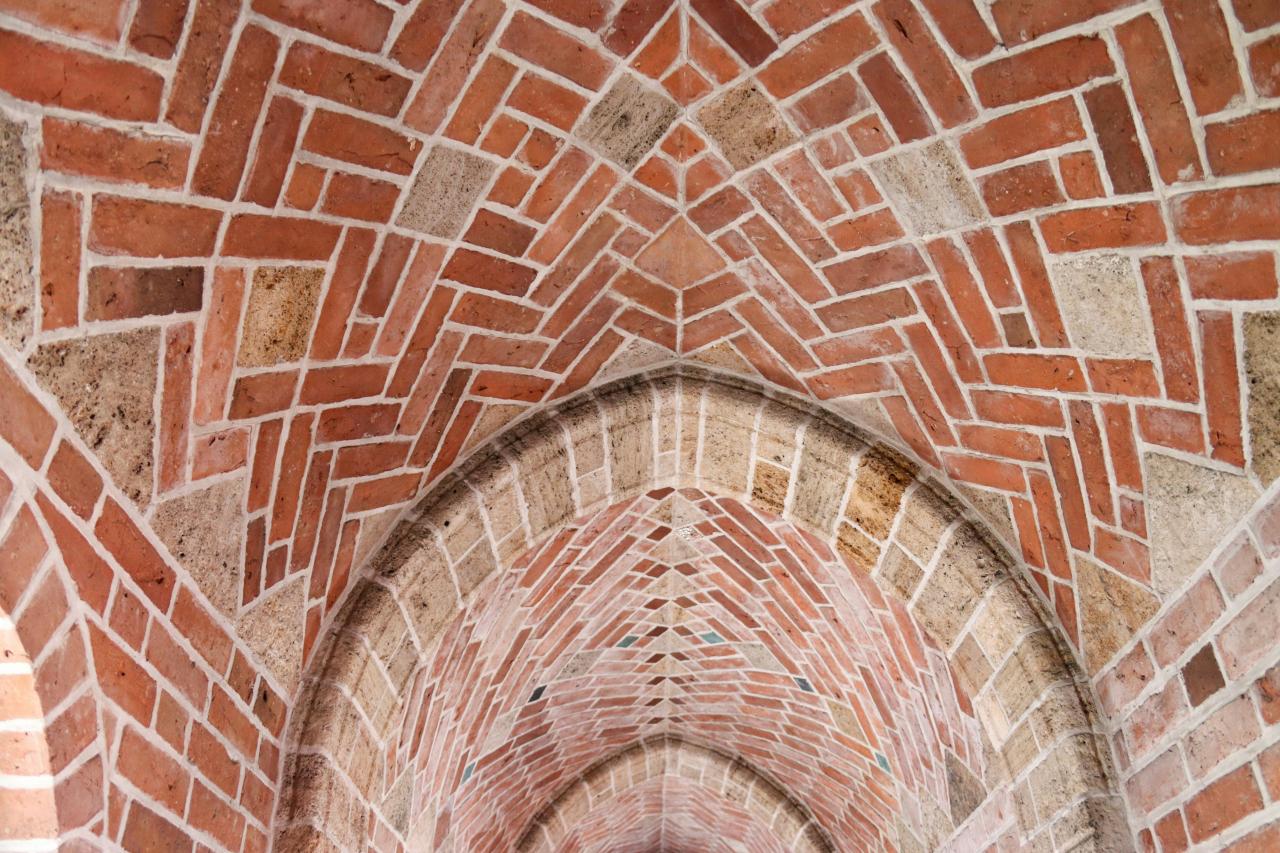
The sophisticated integration of textured brickwork interior walls has transcended traditional rustic aesthetics to become a definitive hallmark of high-end contemporary architecture and premium commercial real estate development. For the visionary property developer, the institutional investor, and the luxury homeowner, the deployment of tactile masonry represents a strategic commitment to material honesty and structural permanence that significantly elevates the market valuation of any interior volume.
Unlike the flat, monochromatic surfaces of standard drywall, textured brickwork introduces a complex interplay of light and shadow, utilizing varied bonding patterns, mortar techniques, and artisanal finishes to create a multisensory environment that resonates with authenticity and craftsmanship. This architectural movement is deeply rooted in the concept of “Industrial Chic” and “Modern Heritage,” where the raw, rugged appeal of exposed clay units is meticulously refined through precision engineering and biophilic design principles to foster a sense of grounding and psychological comfort.
When correctly implemented, textured brickwork serves as a high-performance acoustic buffer and a thermal mass regulator, contributing to a more stable indoor climate and a quieter, more focused atmosphere in both residential sanctuaries and high-stakes corporate headquarters. The economic allure of this material lies in its exceptional durability and low maintenance requirements, offering a “once-and-done” wall treatment that bypasses the recurring costs of painting and repair associated with softer interior finishes.
Furthermore, the strategic selection of reclaimed bricks or high-spec glazed units allows developers to tell a unique narrative, aligning the property with sustainable “circular economy” values that are increasingly prioritized by premium tenants and ESG-focused investment funds. As we move toward an era where digital saturation drives a desperate craving for physical texture and organic irregularity, the mastery of interior masonry stands as a powerful tool for creating resilient, high-yielding assets that stand the test of time and trend.
A. The Structural Elegance Of Exposed Common Bricks

Exposed common brickwork provides an immediate sense of history and structural integrity that defines the character of a premium urban loft or a boutique office space. By removing layers of plaster and paint, architects reveal the varied tones and rugged textures of the original clay units.
This raw aesthetic serves as a neutral yet visually rich backdrop for modern furniture and high-end art collections. It creates a “found object” feel that is highly desirable in the luxury renovation market, where authenticity is a primary driver of value.
B. Precision Aesthetics Of Linear Roman Bricks
Roman bricks are characterized by their elongated, low-profile dimensions, which emphasize the horizontal lines of a room and create a sense of expansive space. This specific geometry is often favored in mid-century modern revivals and high-end minimalist galleries.
The thin, sleek profile of these units requires master-level masonry skills to ensure perfect alignment and consistent mortar joints. For the developer, this is an investment in architectural precision that signals a high level of custom craftsmanship.
C. Artisanal Finishes Via Lime Wash Techniques
Lime washing involves applying a thin, mineral-based coating over the brickwork to create a soft, mottled appearance that mimics the look of ancient European villas. This technique allows the natural texture of the brick to show through while softening its color palette into creamy whites and pale greys.
Beyond its aesthetic appeal, lime wash is highly breathable and naturally antimicrobial, contributing to a healthier indoor air quality. It is a favorite among “Warm Minimalist” designers who want to combine rustic texture with a clean, airy atmosphere.
D. The Industrial Sophistication Of Glazed Brickwork
Glazed bricks feature a high-gloss, ceramic finish that is available in a wide spectrum of deep, saturated colors like emerald green, midnight blue, or obsidian black. These units are frequently used to create high-impact feature walls in luxury hospitality settings and corporate lobbies.
The reflective surface of glazed masonry adds a layer of glamour and luminosity that standard clay cannot provide. It is also exceptionally easy to clean, making it a practical choice for high-traffic zones that require a pristine appearance.
E. Acoustic Performance And Sound Diffusion Mechanics
The irregular surface of textured brickwork acts as a natural sound diffuser, scattering acoustic energy and reducing the “flutter echo” common in large, open-plan spaces. This is a critical functional benefit for high-spec boardrooms and private home theaters.
By breaking up the path of sound waves, brickwork contributes to a more intimate and intelligible auditory environment. This “invisible” benefit is a major selling point for premium tenants who prioritize acoustic privacy and focus.
F. Thermal Mass And Passive Climate Control
Brick is an excellent thermal mass material, meaning it can absorb heat during the day and release it slowly as the temperature drops. In an interior setting, this helps to stabilize the indoor climate and reduces the load on mechanical HVAC systems.
This passive energy efficiency is a key component of sustainable building strategies that aim to lower long-term operational costs. For the institutional owner, this translates to a more resilient asset with superior environmental performance.
G. Reclaimed Brickwork And Circular Economy Values
Utilizing reclaimed bricks from deconstructed historic buildings adds a layer of “pre-aged” character and environmental responsibility to a project. Each brick carries unique markings, patinas, and variations that new manufacturing simply cannot replicate.
This commitment to the circular economy resonates strongly with the modern, eco-conscious investor. It transforms a functional wall into a conversation piece that highlights the building’s sustainable pedigree.
H. Creative Bond Patterns For Visual Rhythm
The way bricks are stacked—known as the bond pattern—can dramatically change the visual rhythm of an interior wall. While a standard “Running Bond” is classic, more complex patterns like “Herringbone” or “Stack Bond” offer a more contemporary and artistic flair.
These patterns act as a structural “patterned wallpaper” that requires no additional decoration. For the designer, the bond pattern is a tool for directing the eye and defining the proportions of the space.
I. Mortar Joint Detailing And Chromatic Contrast
The color and profile of the mortar joint are often overlooked but can account for up to 20% of the wall’s surface area. Using a contrasting mortar color—such as white mortar with dark bricks—can highlight the individual units and create a graphic, grid-like effect.
Alternatively, a color-matched mortar creates a monolithic, “carved from stone” appearance that is highly effective in minimalist architecture. This level of detailing is what separates a standard masonry wall from a world-class architectural feature.
J. Biophilic Benefits Of Earth Derived Materials
As an earth-derived material made from clay and fire, brickwork provides a deep biophilic connection that grounds the inhabitants in the natural world. This tactile honesty has been shown to reduce stress and improve the psychological well-being of building occupants.
In a world increasingly dominated by synthetic polymers and digital screens, the presence of raw masonry offers a necessary sensory reset. It is an investment in human-centric design that prioritizes the health of the workforce.
K. Integration With High Spec Lighting Systems
Textured brickwork is the perfect canvas for “grazing” light, where fixtures are placed close to the wall to highlight its three-dimensional irregularities. This dramatic lighting technique turns a static wall into a living landscape of highlights and shadows.
During the evening, the warm glow of LED grazing lights can transform a cold industrial space into a cozy and inviting sanctuary. This versatility makes brickwork an ideal choice for multi-use hospitality and residential environments.
L. Durability And Lifecycle Cost Advantages
One of the most compelling transactional arguments for interior brickwork is its near-infinite lifespan. Unlike drywall, which is easily damaged and requires frequent repainting, brickwork is resistant to impacts and ages gracefully over decades.
The low total cost of ownership (TCO) makes brickwork a highly attractive option for long-term asset holders. It ensures that the interior remains in “Class A” condition with minimal intervention from the facility management team.
M. Moisture Regulation And Indoor Humidity Control
Clay bricks are porous materials that can naturally absorb and release moisture, helping to regulate indoor humidity levels. This creates a more comfortable and “breathable” atmosphere that is less prone to the stagnant air associated with non-porous surfaces.
Proper humidity management is a key factor in preventing respiratory issues and maintaining a healthy indoor biome. It is a subtle but vital component of a comprehensive wellness-focused design strategy.
N. The Rise Of Thin Brick Veneer Technology
For renovation projects where structural weight is a concern, thin brick veneers provide the full aesthetic and tactile experience of masonry without the heavy load. these “slices” of real brick are adhered to the substrate, allowing for brickwork on upper floors or even ceilings.
This technological innovation has opened up new creative possibilities for interior designers. It allows for the “brick look” to be implemented in high-rise developments where traditional full-thickness masonry would be too heavy.
O. Fire Resistance And Life Safety Benefits
As a non-combustible material, brickwork provides an inherent layer of fire protection that can help slow the spread of flames within a building. This safety feature can lead to lower insurance premiums and a higher level of protection for the building’s occupants.
For the developer, this built-in safety is a powerful marketing tool that emphasizes the quality and resilience of the construction. It is a tangible sign of a “well-built” property that prioritizes the security of its tenants.
P. Custom Engraved Masonry For Corporate Branding
Advanced CNC and laser engraving technologies now allow for logos or custom graphics to be carved directly into the surface of the brickwork. This turns the structural wall into a permanent part of the company’s brand identity.
This subtle, “quiet luxury” branding is much more sophisticated than standard signage. it creates an integrated and high-end feel in corporate innovation hubs and prestigious law firms.
Q. Hybrid Material Pairings With Glass And Steel
The visual tension between “warm” textured brick and “cold” precision glass or steel is a cornerstone of modern architectural drama. This contrast highlights the best qualities of both materials, making the brick feel more organic and the steel more precise.
Using brickwork to anchor a glass-walled atrium provides a sense of solidity and permanence. It prevents the space from feeling too fragile or ephemeral, creating a balanced and harmonious environment.
R. Market Demand And Resale Value Premiums
Properties that feature professionally executed interior brickwork consistently command higher resale values and lower days-on-market. The material is viewed as a “premium upgrade” that appeals to a wide range of sophisticated buyers and tenants.
In the competitive luxury market, these unique architectural features are what drive “bidding wars” and secure high-value transactions. Brickwork is a safe haven for capital, offering both aesthetic delight and financial security.
S. Strategic Maintenance Of Historical Integrity
In heritage-listed buildings, preserving or restoring the original brickwork is often a regulatory requirement that can be turned into a major financial asset. A sympathetic restoration that showcases the “scars” of the building’s history adds immense cultural value.
Working with specialist masons to source matching historic bricks and lime mortars ensures the project’s integrity. This attention to detail is highly respected by preservation boards and premium investors alike.
T. The Future Of Robotic Masonry And 3D Printing
We are entering a new era where robotic arms can lay bricks in incredibly complex, three-dimensional “wave” patterns that would be impossible for a human to achieve. This digital masonry allows for a new level of parametric design in textured interiors.
As these technologies become more accessible, we will see a revolution in the way masonry is used to create expressive and fluid interior environments. It is the ultimate fusion of ancient material and future technology.
Conclusion

Elite textured brickwork represents a premier investment in modern architectural character. The material provides an unparalleled combination of tactile beauty and structural durability. Property developers can utilize interior masonry to significantly increase asset valuation. The acoustic and thermal benefits contribute to a superior and healthy indoor environment.
Choosing reclaimed or artisanal bricks aligns a project with high-value sustainability goals. The versatility of bonding patterns allows for a unique and personalized design narrative. Brickwork serves as a low-maintenance solution that reduces long-term operational overhead. Ultimately, textured masonry is the definitive choice for creating resilient and iconic interiors.

