

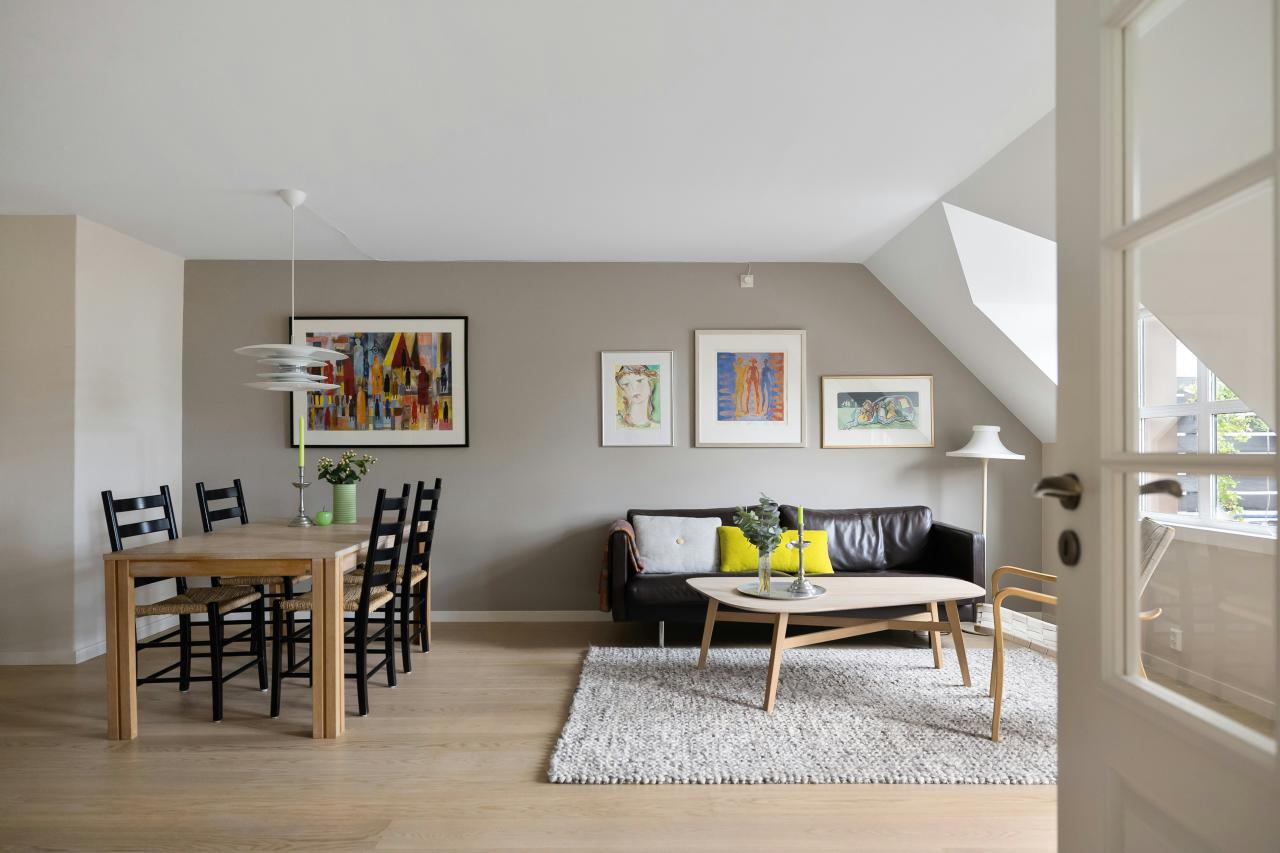
The sophisticated transition toward warm minimalism color palette trends represents a significant departure from the stark, clinical aesthetic that once dominated the modern architectural landscape, offering a more soulful and inviting approach to high-end interior curation. For the discerning property investor and the visionary interior designer, this movement is centered on the art of subtraction combined with the addition of tactile warmth, utilizing a spectrum of “new neutrals” that prioritize psychological comfort without sacrificing the clean lines of minimalist philosophy. By moving away from cold, blue-toned whites and industrial greys, this design direction embraces a rich array of organic hues—ranging from sun-bleached terracotta and soft ochre to creamy vanillas and muted sand—which act as a subtle canvas for natural light to interact with architectural volumes.
The deep-seated appeal of this palette lies in its ability to ground the inhabitant in a serene, biophilic environment that feels both expansive and protective, effectively bridging the gap between raw nature and refined urban living. Achieving this balance requires a meticulous orchestration of material honesty, where the natural pigmentation of lime-wash plasters, unrefined stone, and light-toned timbers dictate the chromatic rhythm of the space.
This approach is not merely a visual preference but a strategic investment in the longevity of a property’s appeal, as these timeless, earth-derived tones are inherently resistant to the fleeting nature of trend cycles. Furthermore, the deployment of a warm minimalist palette enhances the perceived quality of indoor air and light, as these specific hues possess high Light Reflectance Values (LRV) that bounce natural illumination deep into the floor plate, reducing the reliance on artificial lighting. As we examine the current landscape of luxury residential development, it is clear that the modern connoisseur is seeking a “sanctuary” effect, where the home serves as a multisensory refuge defined by a cohesive, low-contrast color story that celebrates the beauty of imperfection and the quiet power of understated elegance.
A. The Rise Of Bone And Oat Undertones

Replacing the sharp gallery whites of the past, bone and oat undertones provide a softer foundation that absorbs rather than reflects harsh light. These colors create a gentle transition between walls and ceilings, making rooms feel more continuous and architecturally fluid.
When paired with natural linen textiles, these shades offer a tactile richness that feels premium yet approachable. They serve as the perfect neutral base for building a sophisticated interior that values subtlety over bravado.
B. Terra And Clay Pigmentation Strategies
Earthy reds and muted clays are being utilized to add depth and a sense of “grounding” to minimalist spaces. These pigments are often applied through traditional techniques like Roman clay or Venetian plaster to provide a matte, velvet-like finish.
This choice of color brings a Mediterranean or desert-inspired warmth into the home, making it feel more connected to the earth. It is a highly effective way to create a focal point without using vibrant or distracting colors that would break the minimalist code.
C. Muted Sage And Olive Biophilic Integration
To bring the outside in, designers are incorporating desaturated greens like sage and olive into their minimalist palettes. These colors act as a neutral bridge to the natural world, complementing the presence of indoor greenery and timber furniture.
Because these greens contain a high amount of grey or brown, they remain calm and non-intrusive. They are particularly effective in bedrooms and home offices where a sense of tranquility is paramount for productivity and rest.
D. Toasted Almond And Soft Caramel Accents
For those looking to add a layer of luxury, toasted almond and soft caramel provide a rich, golden warmth that glows under evening light. These tones are often introduced through high-end leathers, cognac-stained woods, or specialized metal finishes like brushed bronze.
These hues create a sophisticated “envelope” that feels protective and high-value. They provide the necessary contrast to lighter bone tones, ensuring the space has a balanced visual weight.
E. The Utility Of Greige In Transitional Spaces
Greige remains a staple in warm minimalism because it perfectly balances the coolness of grey with the warmth of beige. It is an incredibly versatile color that shifts its personality based on the changing natural light throughout the day.
In hallways and transitional zones, greige provides a seamless flow that connects different rooms without feeling repetitive. It is a safe but highly effective choice for maintaining a cohesive architectural identity.
F. Charcoal And Deep Umber For Definition
While warm minimalism is predominantly light, it requires dark “anchor” points like charcoal or deep umber to provide definition. These colors are used sparingly on window frames, door hardware, or a single piece of statement furniture to draw the eye.
By using these deep tones instead of stark black, the contrast remains soft and sophisticated. They provide a structural “outline” that helps define the geometry of the minimalist space.
G. Sandstone And Limestone Material Palettes
The color story of a warm minimalist home is often dictated by the raw stones used in its construction. Sandstone and limestone offer a variety of creamy, textured hues that change slightly depending on where they were quarried.
These stones provide an inherent “pattern” that is subtle enough for minimalist tastes. Using large slabs of stone in bathrooms or kitchens creates a monumental feel that is both ancient and modern.
H. Pale Terracotta For Culinary Environments
In the kitchen, pale terracotta tones are being used to create a “hearth” feel that is both clean and welcoming. This color works beautifully with white oak cabinetry and brass fixtures, providing a soft glow that makes the kitchen the heart of the home.
It moves away from the “all-white” kitchen trend toward something that feels more lived-in and artisanal. The warmth of the terracotta stimulates the senses without overwhelming the minimalist aesthetic.
I. Dusty Rose And Soft Copper Blushes
A very subtle “blush” can be introduced to a warm minimalist palette through dusty rose or copper tones. These colors add a hint of femininity and softness to the rigid lines of modern architecture.
When used in textiles or small decorative objects, they provide a delicate warmth that is particularly effective in northern-facing rooms with cooler natural light. These tones feel sophisticated and mature rather than youthful or trendy.
J. Smoked Oak And Bleached Walnut Wood Hues
The species of wood chosen for flooring and cabinetry significantly impacts the overall color temperature of the interior. Smoked oak provides a desaturated warmth, while bleached walnut offers a cooler, more contemporary brown that still feels organic.
These woods are often finished with a matte oil to preserve the natural grain and texture. The wood becomes the “color” of the room, reducing the need for paint or wall coverings.
K. Warm Grey And Mushroom For Sophisticated Silences
Mushroom and warm grey are “silent” colors that allow the furniture and art to take center stage. They have a slightly violet or brown undertone that prevents them from looking cold or metallic.
These shades are ideal for large-scale wall applications where a pure white would be too blinding. They provide a sophisticated backdrop that feels tailored and expensive.
L. Sun Drenched Yellows And Soft Gold Hues
Very pale, buttery yellows can be used to simulate the feel of permanent sunlight in a space. These “sun-drenched” tones are excellent for basements or rooms with limited window access.
When paired with white linens and light woods, soft gold hues create a bright, optimistic atmosphere. It is a cheerful take on minimalism that remains elegant and refined.
M. The Role Of Mineral Based Lime Washes
Lime wash paints are essential for achieving the warm minimalist look because they create a mottled, uneven color that mimics natural stone. The mineral-based pigments used in these paints provide a depth that standard flat paint cannot achieve.
The subtle movement in the finish adds a layer of “invisible” texture that makes a minimalist room feel complete without the need for decor. It is a celebration of material honesty and the beauty of handcrafted surfaces.
N. Natural Fiber And Jute Color Variations
The un-dyed colors of natural fibers like jute, sisal, and seagrass are core components of the warm minimalist palette. These materials bring a range of browns and tans that add organic variety to the floor and walls.
Because these fibers vary in shade, they provide a “natural” color blocking that feels effortless. They also add a necessary tactile element that breaks up the smooth surfaces of a minimalist home.
O. Atmospheric Blue And Soft Slate For Contrast
While the palette is predominantly warm, a “soft slate” or atmospheric blue can be used as a cooling counterpoint. This is often seen in bathrooms or outdoor-facing zones where the color of the sky is reflected indoors.
These blues are always muted and never vibrant, ensuring they don’t clash with the earthy reds and yellows. They provide a sense of “air” and breathability to a dense, warm interior.
P. Parchment And Vellum For Paper Based Accents
The use of washi paper or vellum in lighting fixtures adds a beautiful, diffused warmth to the color palette. These materials turn artificial light into a soft, golden glow that mimics the quality of a paper lantern.
The off-white, slightly yellowed color of parchment adds an archival, timeless quality to the home. It is a nod to traditional craftsmanship within a modern, minimalist context.
Q. Burnished Brass And Antique Gold Metals
Metal accents in warm minimalism move away from shiny chrome and toward burnished brass or antique gold. These metals have a “living” finish that patinas over time, adding a sense of history and warmth.
They act as jewelry for the room, providing a sharp but warm highlight against matte walls. The golden tones of these metals perfectly complement the “new neutral” palette.
R. Concrete With Warm Aggregate Tones
Concrete doesn’t have to be grey; it can be mixed with warm aggregates like sand or crushed limestone to create a “warm concrete.” This material provides the structural honesty of minimalism with a much softer visual impact.
Polished warm concrete floors are incredibly durable and act as a giant thermal mass, helping to regulate the home’s temperature. They provide a seamless, monolithic look that is a hallmark of high-end design.
S. The Importance Of Light Reflectance Values (LRV)
In warm minimalism, the LRV of a color is just as important as the hue itself. Colors with a high LRV reflect more light, making a space feel larger and more open, which is a core goal of minimalist architecture.
Designers carefully select “warm” colors that still have an LRV above 60 to ensure the home remains bright and airy. This technical approach to color selection ensures the interior feels both cozy and expansive.
T. Future Proofing Property Value Through Timelessness
Investing in a warm minimalist palette is a strategic move to ensure a property remains desirable for decades. Unlike “bold” color trends that quickly become dated, these earth-derived tones have a permanent place in the luxury market.
The palette’s versatility allows future owners to easily adapt the space to their own tastes without a major renovation. It is an investment in architectural “quietness” that will always be in high demand.
Conclusion

Warm minimalism is the definitive choice for the modern luxury sanctuary. This design philosophy prioritizes human comfort through a carefully curated organic palette. By utilizing earthy neutrals, property owners can create a timeless and resilient aesthetic. The integration of natural materials ensures that the color story feels authentic and grounded.
Advanced lighting and high-reflectance tones maximize the impact of natural illumination. A warm minimalist environment supports psychological well-being by reducing visual clutter. Property values are enhanced by the sophisticated and high-yield nature of this trend. Choosing these tones is a commitment to a lifestyle defined by serenity and elegance.

