

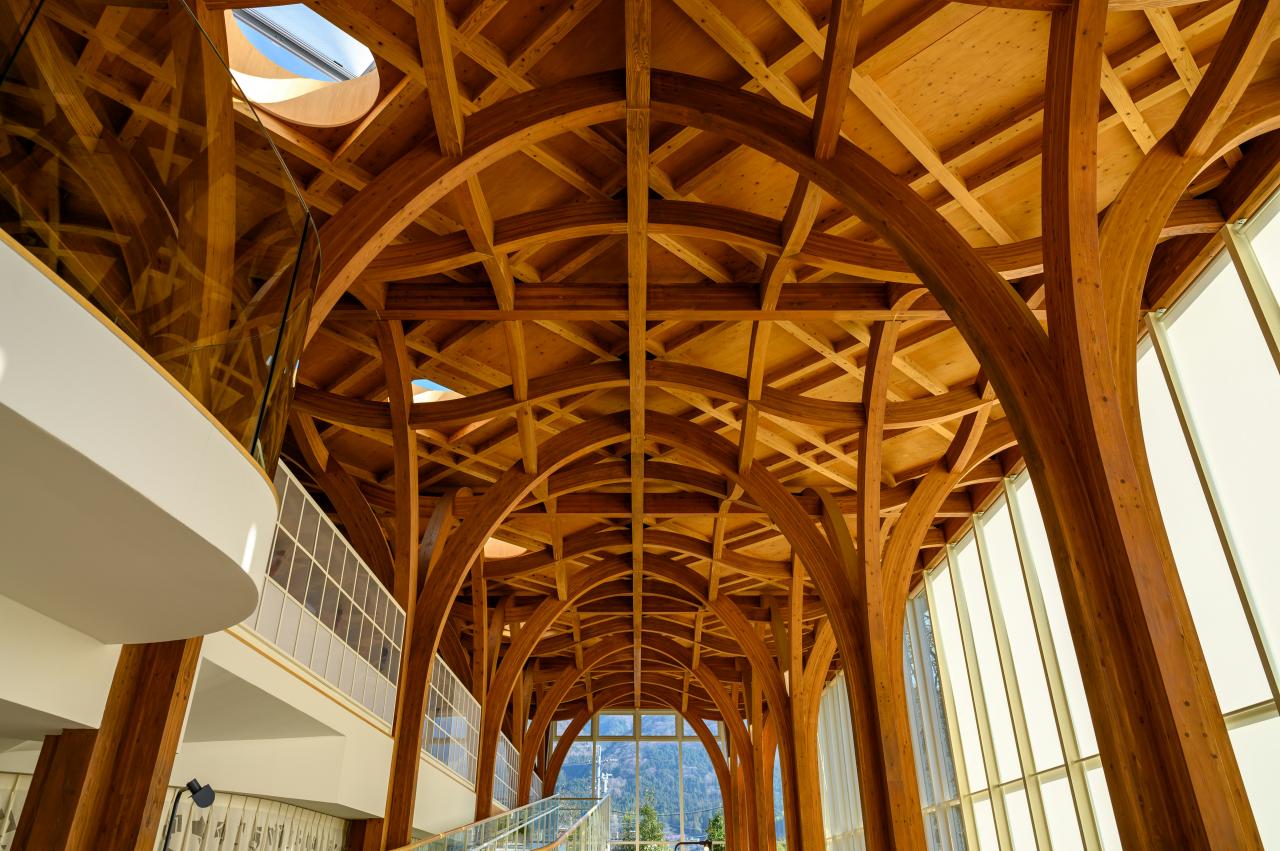
The global construction industry is currently undergoing a transformative shift toward materials that sequester carbon rather than emitting it, and eco-friendly mass timber stands at the very forefront of this green revolution. Mass timber refers to a category of engineered wood products that involve laminating smaller layered wood elements together to create massive structural components like beams, columns, and panels that rival the strength of steel and concrete. This architectural approach is not merely a return to traditional wood cabins; it is a high-tech evolution of material science that allows for the creation of soaring skyscrapers and expansive commercial complexes with a significantly lower environmental footprint.
Investors and developers are increasingly drawn to these systems because they offer a unique combination of aesthetic beauty, structural integrity, and rapid onsite assembly that traditional materials simply cannot match. By utilizing sustainably harvested wood from certified forests, these buildings act as carbon sinks, effectively locking away carbon dioxide for the entire lifespan of the structure. The thermal performance of thick timber sections also contributes to superior energy efficiency, reducing the long-term operational costs and mechanical loads on HVAC systems.
Furthermore, the biophilic benefits of exposed wood surfaces have been scientifically linked to improved occupant well-being, lower stress levels, and increased productivity in office environments. As urban density increases and the demand for sustainable housing grows, mass timber provides a scalable and sophisticated solution that aligns with the highest standards of modern engineering and environmental stewardship. It represents a bold commitment to a future where our built environment works in harmony with the natural world, proving that luxury and responsibility are no longer mutually exclusive concepts in the high-end real estate market.
A. Advanced Cross Laminated Timber Engineering

Cross Laminated Timber, or CLT, is the backbone of the modern mass timber movement, consisting of layers of kiln-dried lumber stacked in alternating directions. This perpendicular layering provides incredible dimensional stability and allows the panels to act as structural walls or floor slabs with high load-bearing capacities.
The manufacturing process uses high-pressure hydraulic presses and eco-friendly adhesives to create a solid block of wood that is remarkably lightweight compared to reinforced concrete. This weight reduction allows for smaller and less expensive foundation systems, which is a major advantage in sites with challenging soil conditions.
B. Superior Carbon Sequestration Capabilities
Unlike the production of cement or steel, which releases massive amounts of CO2 into the atmosphere, the growth of trees naturally absorbs carbon through photosynthesis. When that wood is harvested and used in a mass timber building, that carbon remains trapped within the cellular structure of the wood.
A single mid-rise mass timber office building can offset the emissions of thousands of cars for an entire year through its stored carbon alone. This makes timber the only primary structural material that can help a project achieve a carbon-neutral or even carbon-negative status.
C. Fire Resistance And Charring Performance
One of the most common misconceptions about large-scale wood buildings is that they are more susceptible to fire, but mass timber actually behaves very predictably in extreme heat. When exposed to fire, the outer layer of a thick timber beam chars, creating a protective insulating layer that slows the burning process significantly.
This charring rate is well-documented in engineering codes, allowing architects to design structures that maintain their integrity longer than unprotected steel. The internal core of the timber remains cool and structurally sound, providing a safe exit window for occupants and easier access for emergency responders.
D. Precision Prefabrication And Modular Design
Mass timber components are typically designed using advanced 3D modeling software and cut to precise specifications using CNC machinery in a controlled factory environment. This high level of precision ensures that every beam and panel fits perfectly together on the construction site, much like a giant assembly kit.
Because the components arrive pre-cut with openings for windows and mechanical systems already in place, the onsite construction time is drastically reduced. This efficiency leads to lower labor costs and less disruption to the surrounding neighborhood during the build phase.
E. Biophilic Design And Occupant Wellness
There is a profound psychological connection between humans and natural materials, a concept known as biophilia that is central to the appeal of mass timber. Leaving the wood grain exposed on ceilings and walls creates a warm, inviting atmosphere that synthetic materials cannot replicate.
Studies have shown that people working or living in timber environments experience lower heart rates and better cognitive function throughout the day. This makes mass timber an exceptionally attractive option for high-end corporate headquarters and luxury wellness retreats.
F. Thermal Efficiency And Energy Savings
Wood is a natural insulator with a high thermal mass, meaning it does not transfer heat as quickly as metal or glass. This property helps maintain a consistent indoor temperature, reducing the energy needed for heating in the winter and cooling in the summer.
Mass timber buildings are often paired with high-performance building envelopes to achieve passive house standards of efficiency. This results in significantly lower utility bills for tenants and a smaller overall carbon footprint for the property manager to oversee.
G. Seismic Resilience And Structural Flexibility
The high strength-to-weight ratio of engineered wood makes it an ideal material for buildings in earthquake-prone regions. Because mass timber is lighter than concrete, the seismic forces acting on the building during a tremor are greatly reduced.
Modern timber connections are designed to be ductile, allowing the structure to absorb and dissipate energy without failing catastrophically. This flexibility ensures that the building can remain functional even after a significant seismic event, protecting the owner’s long-term investment.
H. Acoustic Performance and Sound Dampening
While wood is often thought of as resonant, thick mass timber panels provide excellent sound insulation between floors and rooms when detailed correctly. Specialized acoustic mats and topping layers are often added to timber floors to eliminate footfall noise and vibration.
The natural density of the material helps block airborne sounds, creating a quiet and private environment for residents or office workers. This makes it a preferred material for high-density urban residential projects where noise mitigation is a top priority.
I. Sustainable Forestry And Ethical Sourcing
The viability of the mass timber industry depends entirely on responsible forest management practices that ensure a continuous cycle of growth and harvest. Reputable developers only source wood from forests certified by organizations like the FSC or PEFC.
For every tree harvested for a structural panel, several more are typically planted in its place to maintain the ecological balance of the region. This regenerative approach ensures that wood remains a truly renewable resource for generations of builders to come.
J. Reduced Site Waste And Clean Construction
Because mass timber components are prefabricated off-site, there is virtually no waste generated at the actual construction location. This keeps the job site cleaner, safer, and much more organized compared to traditional concrete pours or steel framing.
The lack of heavy machinery noise and dust also makes mass timber projects more popular in urban areas where neighbors are sensitive to construction activity. It is a faster, quieter, and more respectful way to build in modern cities.
K. Aesthetic Versatility For Modern Architecture
Architects love mass timber because it offers incredible design flexibility, allowing for long spans and open floor plans that feel airy and light. The material can be used in combination with steel or glass to create striking contemporary facades.
The natural beauty of the wood serves as its own interior finish, often removing the need for additional drywall or paint. This not only saves on material costs but also highlights the authentic, raw quality of the sustainable construction.
L. Increased Speed To Market For Developers
The rapid assembly of mass timber buildings means that projects can be completed and occupied months earlier than those using traditional methods. For a developer, this means a faster transition from construction financing to rental income or sales revenue.
In a competitive real estate market, being able to deliver a finished building ahead of schedule is a massive financial advantage. The time saved onsite often more than offsets the higher initial material cost of the engineered timber.
M. Lightweight Retrofitting And Vertical Extensions
Because mass timber is so much lighter than concrete, it is the perfect material for adding new floors to the top of existing buildings. Many older structures do not have the foundation capacity for a concrete extension but can easily support a timber addition.
This allows for the creation of new living or office space in dense urban centers without the need for demolition. It is a sustainable way to increase the value and density of existing property assets.
N. Low Volatile Organic Compound Emissions
Modern mass timber manufacturers use non-toxic, low-VOC adhesives to bind the wood layers together. This ensures that the indoor air quality remains high and free from harmful chemicals that are often found in traditional building materials.
Clean air is a major selling point for health-conscious tenants and premium office occupants. High air quality contributes to the overall “green” certification of the building, increasing its desirability in the lease market.
O. End Of Life Circularity and Deconstruction
At the end of a building’s functional life, mass timber components can be disassembled and repurposed for other projects. Unlike concrete, which is often crushed into low-value aggregate, timber beams can be reclaimed and reused in their structural form.
This circular approach to construction ensures that the material stays within the economy rather than ending up in a landfill. It is the ultimate expression of a cradle-to-cradle design philosophy in the built environment.
P. Compliance With Modern Green Certifications
Mass timber buildings are prime candidates for high-level LEED, BREEAM, and Well Building Standard certifications. These accolades are highly valued by institutional investors and global corporations looking to meet their ESG goals.
A certified green building often attracts higher-quality tenants who are willing to pay a premium for a workspace that reflects their company values. The data shows that sustainable buildings have higher occupancy rates and better long-term appreciation.
Q. Hybrid Systems Integration
Many of the world’s most innovative buildings use a hybrid approach, combining mass timber with steel cores or concrete podiums. This allows the architect to play to the strengths of each material while still maximizing the use of wood.
Hybrid systems are often the key to unlocking timber construction for super-tall buildings. They provide the necessary stiffness for wind loads while maintaining the carbon benefits of the timber floors and walls.
R. Moisture Management and Durability
Advancements in protective coatings and construction sequencing have made mass timber highly resistant to moisture during and after the build. When properly detailed, a timber building can last as long as, or longer than, any traditional structure.
Smart sensors can be embedded in the timber panels to monitor moisture levels in real-time, alerting facility managers to any potential issues. This proactive maintenance ensures the longevity and safety of the structural system.
S. Local Economic Support
Sourcing mass timber from regional forests supports rural economies and creates high-tech manufacturing jobs in the timber processing industry. It creates a direct link between urban development and rural land stewardship.
By investing in timber, developers are supporting a domestic supply chain that is less susceptible to global shipping disruptions. This regional focus is a key component of a resilient and sustainable modern economy.
T. The Future of High Rise Timber
As building codes continue to evolve, we are seeing the rise of “plyscrapers” that reach heights previously thought impossible for wood. These iconic projects are proving to the world that mass timber is a serious contender for the future of urban skylines.
The combination of technology, sustainability, and efficiency makes mass timber the most exciting development in construction in the last century. It is the definitive choice for the next generation of eco-friendly living and working spaces.
Conclusion

Building with mass timber is the most effective way to reduce the environmental impact of new construction. The material offers a unique blend of structural strength and natural beauty that attracts premium tenants. Carbon sequestration turns every new building into a tool for fighting climate change. Precision engineering ensures that these structures are built faster and with less waste than ever before.
Occupant health and productivity are significantly enhanced by the presence of natural wood surfaces. The fire and seismic performance of engineered timber meets the most rigorous modern safety standards. Investors can enjoy higher property values and faster returns on their sustainable developments. Choosing mass timber is a clear statement of leadership in the global transition to a green economy.

