

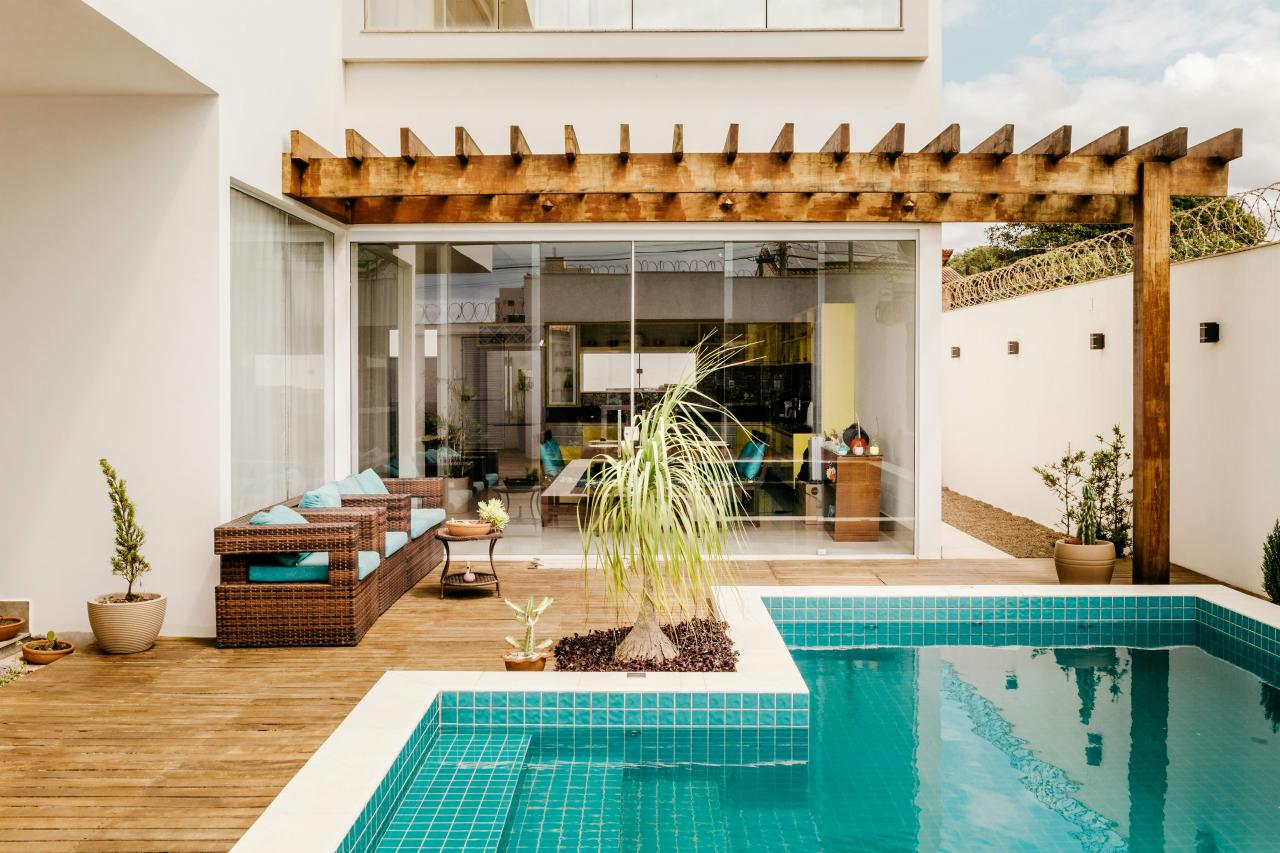
The evolution of modern residential architecture has increasingly focused on the integration of passive cooling strategies as a sophisticated response to rising global temperatures and the high costs associated with mechanical climate control. Passive cooling refers to a comprehensive design philosophy that utilizes natural physical principles—such as radiation, convection, and evaporation—to maintain a comfortable indoor temperature without relying on energy-intensive air conditioning units.
For the discerning homeowner and high-end property investor, these systems represent a pinnacle of engineering that prioritizes long-term sustainability and operational efficiency while enhancing the overall luxury of the living environment. By understanding the specific orientation of a building in relation to the sun’s path and the prevailing wind patterns of a local microclimate, architects can create structures that naturally breathe and shed heat.
This approach involves a deep dive into material science, where high thermal mass elements like stone or specialized concrete are used to absorb heat during the day and release it slowly when the outside air cools. Furthermore, the strategic placement of apertures, such as windows and vents, allows for the induction of natural cross-ventilation, which can significantly lower the perceived temperature within a room. When we discuss passive cooling, we are also looking at the role of advanced glazing technologies and external shading devices that block solar gain before it ever enters the thermal envelope of the home.
This methodology is not merely about saving on utility bills; it is about creating a healthier, quieter, and more resilient sanctuary that remains functional even during power grid fluctuations. Every component, from the color of the roof to the density of the surrounding landscaping, works in a synchronized harmony to regulate the internal atmosphere. As the demand for green-certified premium real estate continues to soar, the mastery of these natural cooling techniques has become a defining characteristic of world-class architectural design and a major driver of property valuation.
A. Advanced Building Orientation And Solar Geometry

The primary step in passive cooling is aligning the home’s longest axis to minimize exposure to the intense heat of the afternoon sun. By calculating the exact solar angle during the hottest months, designers can ensure that windows are positioned to receive light without the accompanying thermal energy.
Strategic orientation also takes advantage of seasonal wind shifts to facilitate natural airflow through the primary living areas. This careful planning during the initial design phase eliminates the need for expensive retrofitting or oversized mechanical cooling systems later on.
B. High Thermal Mass Material Selection
Materials with high thermal mass, such as brick, stone, or thick concrete, act as a thermal battery for the home. These materials absorb the heat that enters the building during the day, preventing the air temperature from rising too quickly.
During the night, as the exterior temperature drops, the stored heat is slowly radiated back out or purged through ventilation. This process, known as thermal lagging, creates a stable and comfortable indoor climate regardless of external fluctuations.
C. Natural Cross Ventilation Mechanics
Cross ventilation relies on the pressure difference between the windward and leeward sides of a building to pull fresh air through the interior. By placing openings on opposite sides of a room, a constant and refreshing breeze can be maintained without any electrical input.
The effectiveness of this system is enhanced by keeping the internal floor plan open to allow air to move freely between spaces. This simple physical principle is one of the most effective ways to remove stagnant, warm air from a modern residence.
D. The Stack Effect And Vertical Airflow
The stack effect, or chimney effect, uses the natural tendency of warm air to rise to create a vertical cooling current. By placing vents or operable windows at a high point in the house, such as a clerestory or a stairwell, hot air is exhausted out of the building.
This creates a vacuum that draws cooler air in through lower-level openings, providing a continuous cycle of air replacement. This method is particularly effective in multi-story homes where heat tends to accumulate on the upper levels.
E. External Shading And Brise Soleil Systems
Preventing solar radiation from hitting the glass in the first place is far more efficient than trying to cool the air once it has been heated. External shading devices like louvers, fins, or brise soleil systems block direct sunlight while still allowing for views and natural light.
These systems can be fixed or adjustable, allowing the homeowner to fine-tune the amount of shade based on the time of day or the season. High-quality architectural shading also adds a distinct and modern aesthetic to the building’s facade.
F. High Performance Low Emissivity Glazing
Modern window technology has led to the development of low-emissivity (Low-E) coatings that reflect infrared light while letting visible light pass through. This keeps the heat of the sun outside while maintaining a bright and airy interior.
Double or triple-pane glass units with argon gas fills provide an additional layer of insulation that prevents conductive heat transfer. Investing in premium glazing is one of the most impactful decisions a homeowner can make for long-term thermal comfort.
G. Evaporative Cooling And Water Features
The presence of water near air intakes can lower the temperature of the incoming breeze through the process of evaporation. Courtyard fountains, ponds, or even misting systems can create a microclimate that is several degrees cooler than the surrounding area.
As air passes over the water, it picks up moisture and loses heat, providing a natural and refreshing cooling effect. This technique has been used for centuries in Mediterranean and Middle Eastern architecture and remains highly effective today.
H. Green Roofs And Living Walls
Vegetated surfaces act as natural insulators and provide cooling through a process called evapotranspiration. A green roof protects the building structure from direct solar impact and reduces the “urban heat island” effect.
Living walls can be installed on the hottest sides of a building to provide a biological shield against thermal gain. These features also improve air quality and provide a stunning visual connection to nature.
I. Earth Sheltering And Berming Techniques
The earth maintains a very consistent temperature just a few feet below the surface, which can be leveraged to cool a home. Earth-bermed houses use the soil’s natural coolness to stabilize the temperature of the walls and floors.
This method is incredibly effective in climates with extreme temperature swings between day and night. It creates a quiet, grounded living experience that is deeply integrated with the surrounding landscape.
J. Reflective Roofing And Cool Roof Technology
A “cool roof” is designed to reflect more sunlight and absorb less heat than a standard roof. Using highly reflective paints, tiles, or shingles can keep the roof surface temperature significantly lower during a heatwave.
This reduces the amount of heat that is transferred into the attic or the living spaces directly below the roofline. It is a cost-effective strategy that provides immediate benefits in terms of both comfort and energy savings.
K. Automated Night Purge Systems
Night purging involves opening the building to the cool night air to flush out the heat accumulated during the day. Smart home systems can automate this process by opening motorized windows when the external sensors detect a drop in temperature.
This pre-cools the thermal mass of the home, preparing it to withstand the heat of the following day. It is a proactive approach to climate management that maximizes the benefits of natural daily cycles.
L. Strategic Landscaping For Microclimate Control
Deciduous trees planted on the southern and western sides of a home provide shade during the summer while allowing sun through in the winter. The leaves also contribute to cooling the air through transpiration.
Using ground cover instead of pavement near the house can prevent “heat soak” from radiating back into the building. A well-planned landscape is an essential component of a comprehensive passive cooling strategy.
M. Radiant Cooling Panels And Hydronic Systems
Radiant cooling involves circulating chilled water through panels in the ceiling or floor to absorb heat directly from the room. Unlike traditional AC, this system does not create drafts or noise, providing a very high level of comfort.
This method is highly efficient because water is a much better conductor of heat than air. It can be paired with renewable energy sources like geothermal loops for an almost silent and carbon-neutral cooling solution.
N. Intelligent Building Envelopes
The building envelope is the barrier between the interior and the exterior, and its integrity is crucial for passive cooling. High levels of insulation and airtight construction prevent the cool indoor air from escaping and the hot outdoor air from entering.
Modern envelopes often include “breathable” membranes that allow moisture to escape while maintaining a thermal barrier. This prevents the buildup of humidity, which can make a space feel much warmer than it actually is.
O. Courtyard Architecture For Air Circulation
Central courtyards act as a private lung for the home, facilitating air movement and providing a shaded outdoor space. The “chimney” effect of a courtyard helps pull warm air up and out of the surrounding rooms.
This architectural feature also allows for every room in the house to have access to natural light and ventilation. It is a classic design element that has been reimagined for the modern luxury home.
P. Phase Change Materials In Construction
Phase Change Materials (PCMs) are innovative substances that can store and release large amounts of energy as they change from solid to liquid and back. These can be integrated into drywall or insulation to significantly increase the thermal storage capacity of a lightweight wall.
As the room heats up, the PCM melts and absorbs the heat; as it cools at night, the material solidifies and releases it. This “smart” material helps flatten the temperature peaks throughout the day.
Q. Ceiling Fans And Air Movement Optimization
While not strictly “passive” in the sense that they use a small amount of electricity, ceiling fans are essential for enhancing the cooling effect of natural ventilation. Moving air helps evaporate moisture from the skin, making the occupants feel several degrees cooler.
Modern fan designs are incredibly efficient and can be integrated into the home’s central control system. They allow for the “perceived” temperature to be comfortable even when the actual air temperature is slightly higher.
R. Dehumidification And Humidity Control
In humid climates, the air’s ability to cool through evaporation is limited, making humidity control a vital part of a cooling strategy. Passive desiccant systems can absorb moisture from the air without the use of a compressor.
Maintaining a lower humidity level makes the existing passive cooling techniques much more effective. It also prevents the growth of mold and improves the overall air quality within the home.
S. Attic Ventilation And Radiant Barriers
Heat often builds up in the attic space, creating a reservoir of warmth that pushes down into the living areas. Solar-powered attic fans and ridge vents ensure that this hot air is constantly being replaced with cooler exterior air.
Radiant barriers installed in the attic reflect heat back out through the roof, significantly reducing the thermal load on the ceiling below. These simple additions can have a profound impact on the comfort of the upper floors.
T. Long Term Value And Future Proofing
Investing in passive cooling is a strategic move that protects the value of a property in a changing climate. Homes that can remain comfortable without relying on the grid are increasingly sought after by high-end buyers.
These systems are durable, have low maintenance costs, and provide a level of acoustic and thermal comfort that is superior to traditional mechanical systems. It is the hallmark of a truly forward-thinking and sophisticated residence.
Conclusion

Passive cooling represents the future of sustainable and luxurious residential design. Integrating these systems into a new build significantly reduces the long-term operational costs. The comfort provided by natural airflow and thermal mass is far superior to recycled air. Property owners can enjoy a silent and resilient home that works with the environment.
Advanced materials and orientation strategies are the keys to successful heat mitigation. Reducing the reliance on mechanical cooling is a vital step for environmental responsibility. Every modern home should prioritize a thermal envelope that breathes and sheds heat naturally. The market value of homes with these integrated green features continues to outpace traditional builds.

