

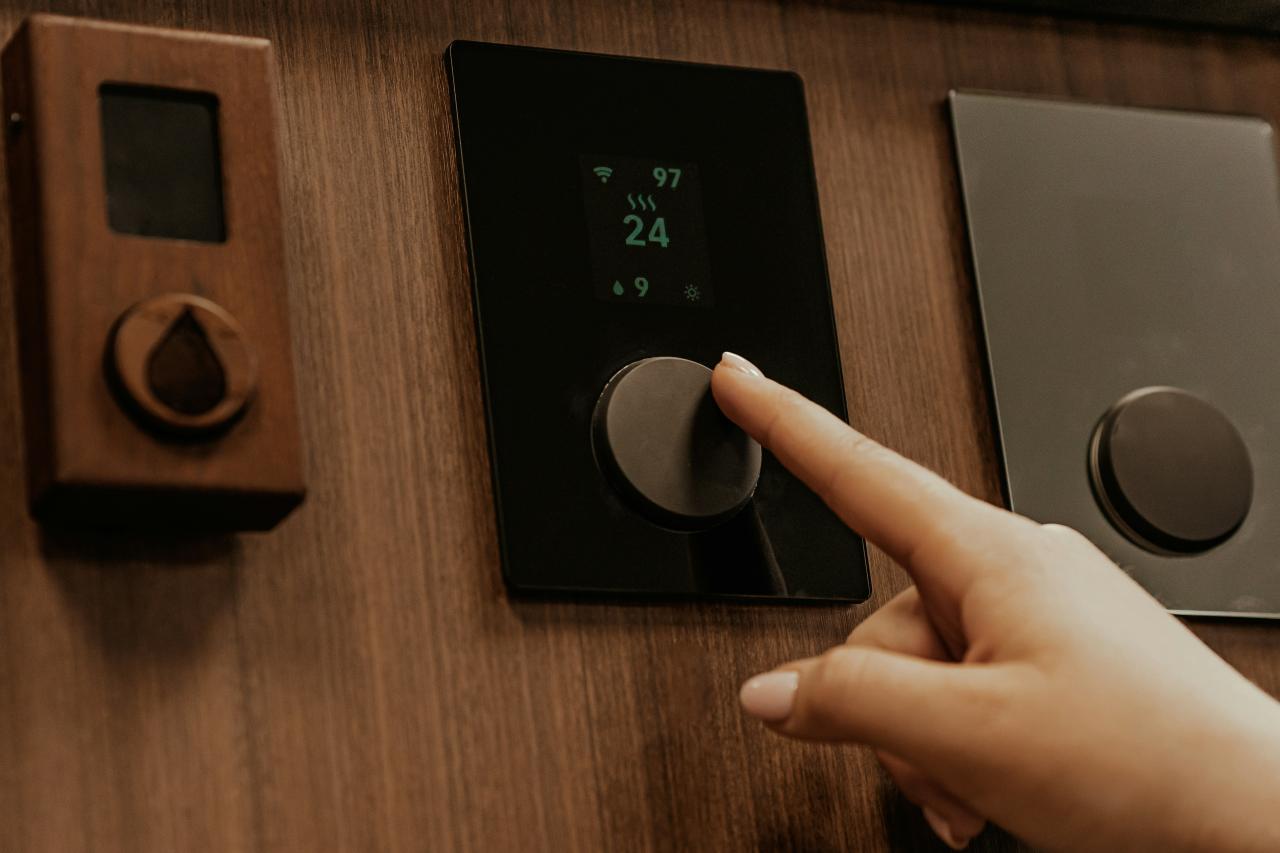
The rapid evolution of residential automation has reached a definitive milestone with the emergence of Matter integrated smart home hubs, a technological breakthrough designed to eliminate the historical fragmentation of the internet-of-things landscape. For the modern property owner and the high-end real estate developer, these hubs represent the ultimate convergence of security, reliability, and multi-platform fluidity that was previously considered unattainable in a single hardware solution.
Matter is an open-source, IP-based connectivity protocol backed by a global alliance of technology giants, ensuring that every certified device—regardless of its manufacturer—can communicate within a unified, local ecosystem. Unlike previous generations of smart controllers that relied heavily on cloud-based processing and proprietary “walled gardens,” a Matter hub functions as a local coordinator that processes commands within the home’s own network. This architectural shift significantly reduces latency, as signals no longer need to travel to distant servers and back just to toggle a light switch or adjust a thermostat.
Furthermore, the protocol’s inherent “Security by Design” philosophy utilizes a zero-trust model and blockchain-based device authentication to protect the household from unauthorized access and data breaches. As we see more appliances, security systems, and energy management tools adopting the Matter standard, the central hub becomes a powerful asset that future-proofs the home against technological obsolescence. High-net-worth investors are increasingly viewing these integrated systems as essential infrastructure that enhances property valuation by offering a seamless, “just works” experience for any occupant.
This deep dive explores how these hubs utilize Thread mesh networking and Wi-Fi to create a self-healing, robust environment that remains operational even during internet outages. It is about more than just convenience; it is about building a resilient and intelligent living space that adapts to the user’s lifestyle while maintaining the highest levels of privacy and efficiency. By investing in a Matter-certified core, property owners are not just buying a gadget, but are securing a sophisticated foundation for a truly interconnected and sustainable future.
A. Universal Interoperability and Ecosystem Freedom

The primary advantage of the Matter protocol is the total removal of brand lock-in, allowing devices from different manufacturers to work together seamlessly. This means a high-end smart lock from one company can trigger lighting scenes from another through a single Matter-certified controller.
Users are no longer forced to choose between Apple Home, Google Home, or Amazon Alexa, as Matter allows for simultaneous control across multiple platforms. This “multi-admin” feature provides unparalleled flexibility for households with diverse smartphone and voice assistant preferences.
B. Local Control and Reduced Latency
By prioritizing local communication over cloud-based routing, Matter hubs deliver near-instantaneous response times for every automated action. When a sensor detects motion, the associated lights respond in milliseconds because the command never leaves the local area network.
This local-first approach also ensures that the core functions of the smart home—such as security alerts and climate schedules—continue to operate even if the internet connection is lost. It transforms the smart home from a fragile service into a dependable utility.
C. Thread Mesh Networking Integration
Most premium Matter hubs now include a built-in Thread border router, which creates a dedicated, low-power mesh network for battery-operated sensors and switches. Unlike traditional Wi-Fi, Thread networks become stronger and more reliable as more devices are added to the system.
This self-healing capability ensures that if one device fails, the network automatically reroutes signals through other nearby nodes to maintain connectivity. Thread is specifically designed for the IoT, offering much better battery life and range than conventional wireless protocols.
D. Zero-Trust Security and Device Authentication
Matter utilizes a sophisticated security framework that requires every device to be authenticated with a unique cryptographic certificate before it can join the hub. This prevents “spoofing” and ensures that only genuine, certified products are permitted on the network.
All communications between the hub and its connected devices are encrypted using AES-128, providing a level of privacy that meets military-grade standards. The local nature of the protocol also means that sensitive data about your daily habits stays inside your home.
E. Simplified Setup with QR Code Commissioning
The process of adding new devices to a Matter hub has been streamlined into a simple “scan and connect” workflow using a smartphone. This standardized commissioning process eliminates the need for multiple manufacturer-specific apps and complex pairing sequences.
Because the hub handles the heavy lifting of network configuration, even non-technical users can expand their smart home ecosystem with confidence. This ease of use is a major driver for the mass adoption of advanced home automation.
F. Multi-Admin Control and Sharing
Matter’s unique architecture allows a single device to be controlled by multiple hubs and ecosystems at the same time. You could use an iPad for deep home management while a family member uses an Android phone to control the same lights and thermostats.
This democratization of control ensures that no one is excluded from the smart home experience based on their device choice. It also makes it easier to hand over control to guests or property managers without sharing sensitive account passwords.
G. Intelligent Energy Management Clusters
Recent updates to the Matter specification have introduced advanced energy management features that allow appliances to report real-time power consumption to the hub. This data enables the hub to optimize energy use by scheduling high-load tasks during off-peak hours.
Matter-enabled smart plugs and large appliances can participate in grid-response programs to help stabilize local energy infrastructure. This contributes to a significant reduction in monthly utility bills and a smaller overall carbon footprint.
H. Advanced Scene Management and Automation
Matter hubs provide a standardized way to create “scenes” that coordinate dozens of devices with a single command or trigger. For example, a “Movie Night” scene can simultaneously dim the lights, close the motorized shades, and power on the home theater system.
The latest Matter 1.4 specification allows for time-based behaviors and complex logic to be stored directly on the hub. This means your “Sunrise” routine will fade your bedroom lights in slowly, perfectly synchronized regardless of the light bulb brand.
I. Future Proofing with Over-the-Air Updates
As the Matter standard continues to evolve to include new device types like robot vacuums and EV chargers, certified hubs receive regular firmware updates. This ensures that your central controller remains compatible with the latest innovations in the smart home market.
Property owners do not need to replace their hardware every few years to gain access to new features or security patches. This longevity makes a high-quality Matter hub one of the most cost-effective investments in residential technology.
J. Reliable Infrastructure for High-Density Living
In urban environments with hundreds of competing Wi-Fi signals, Matter’s use of Thread provides a clean and interference-free communication channel. This is particularly important for apartment buildings and multi-unit developments where network congestion is a common issue.
The ability for Thread devices to act as “repeaters” means that the network can easily cover large villas or multi-story homes without the need for expensive wiring. It provides a robust backbone for the most demanding smart home applications.
K. Integration of Legacy Smart Devices
While Matter is the new standard, many premium hubs also include radios for Zigbee and Z-Wave to support older smart home products. This “bridging” capability allows you to bring your existing investments into the new Matter ecosystem effortlessly.
By acting as a bridge, the hub translates the signals from legacy devices into the Matter language, making them visible to modern platforms like Apple Home. It is a graceful way to transition to the future of smart living without wasting existing hardware.
L. Enhanced Privacy and Data Sovereignty
Because Matter focuses on local communication, it reduces the amount of personal data that is transmitted to the cloud. This gives the homeowner total sovereignty over their information, preventing companies from profiling their behavior for advertising.
For high-profile individuals or those in sensitive professions, this privacy-first approach is a non-negotiable requirement for any connected home system. It restores the home as a private sanctuary where technology serves the user, not the provider.
M. Biophilic and Wellness Lighting Control
Matter-certified hubs can manage advanced lighting systems that mimic the natural cycle of sunlight throughout the day. This circadian lighting approach is linked to improved sleep quality, mood regulation, and overall biological well-being.
The hub automatically adjusts the color temperature of your lights from cool blue in the morning to warm amber in the evening. This subtle yet powerful automation enhances the luxury and health-conscious design of the home.
N. AI-Driven Predictive Automations
The next generation of Matter hubs is beginning to integrate edge-AI to learn the habits and preferences of the occupants. Instead of simple schedules, the hub can predict when you need the coffee maker started or when the entryway should be illuminated.
These predictive actions are processed locally on the hub’s processor, maintaining speed and privacy. It creates a truly “intelligent” home that anticipates your needs without requiring constant manual input.
O. Impact on Property Resale and Valuation
A home equipped with a comprehensive, Matter-based automation system is significantly more attractive to modern buyers. It signals that the property is built to modern standards and is ready for the future of connected living.
Real estate data shows that smart home features are now among the top requests for luxury homebuyers, often leading to a faster sale at a higher price point. It is a tangible upgrade that pays dividends both in daily comfort and final sale value.
P. Scalability for Large-Scale Estates
Matter is built on the IPv6 protocol, which allows for a virtually unlimited number of unique device addresses within a single network. This makes it the perfect solution for massive estates or commercial properties that require thousands of individual sensors and controllers.
The hub architecture can be expanded with additional “border routers” to cover distant guest houses or outdoor recreational areas. This scalability ensures that your smart home system can grow alongside your property portfolio.
Q. Streamlined Maintenance and Diagnostics
For property managers, Matter hubs offer advanced diagnostic tools that can identify failing batteries or connectivity issues before they impact the user. Many hubs can send push notifications when a device goes offline or requires a filter replacement.
This proactive maintenance saves time and reduces the need for expensive on-site service calls. It ensures that the high-end technology within the home always functions at its peak performance level.
R. Support for Advanced Safety and Security
Matter’s security framework is particularly beneficial for smart locks, cameras, and alarm systems. The protocol ensures that every security command is verified and encrypted, making it virtually impossible for hackers to bypass the system.
Integration with smoke and carbon monoxide detectors allows the hub to take life-saving actions, such as turning on all lights and shutting down the HVAC system during an emergency. It is an extra layer of protection that modern families rely on.
S. Lower Operational Costs for Multi-Family Units
In apartment complexes, a central Matter-based infrastructure allows for more efficient management of shared resources like heating and lighting in common areas. This leads to lower HOA fees and improved operational margins for the building owner.
Tenants benefit from a modern living experience that they can easily customize with their own Matter-compatible devices. It is a win-win scenario that defines the next generation of urban “smart cities.”
Conclusion

Integrating a Matter smart home hub is the most effective way to unify your modern living space. This protocol provides the foundation for a seamless and secure interconnected device ecosystem. Local control ensures that your home remains fast and responsive regardless of internet status. The flexibility to use any brand of smart device gives homeowners total creative freedom.
Advanced energy management features help reduce utility costs while supporting the environment. Security is baked into the core of the system, protecting your family’s privacy and data. A Matter-ready home is a future-proof asset that maintains high value in the real estate market. Embracing this unified standard is the smartest move for any serious modern property developer.

