

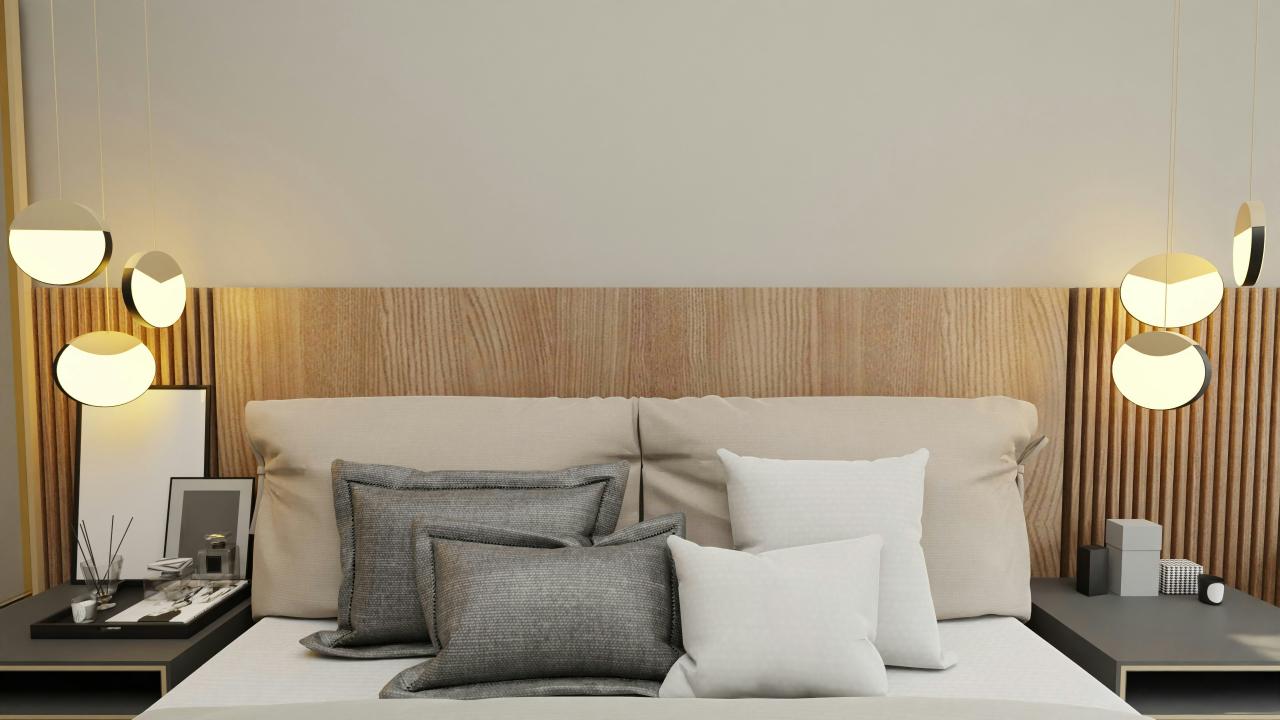
The rapid advancement of artificial intelligence and the widespread adoption of the Matter protocol have catapulted voice controlled lighting design into a new era of sophisticated, human-centric functionality within the luxury residential sector. In 2026, the concept of a smart home has shifted from a series of disjointed gadgets to a unified, responsive environment where light is no longer just a utility but a dynamic medium that responds to natural conversation and emotional context.
Modern voice interfaces are now capable of understanding complex, multi-intent commands and can interpret vague requests like “make the room feel cozier” into a precise orchestration of color temperature adjustments and dimming levels. This transformation is deeply rooted in the philosophy of “invisibility,” where the technology is strategically embedded into the architectural fabric—recessed into coves, hidden behind custom cabinetry, or integrated into sculptural fixtures that double as fine art.
Architects and interior designers are increasingly collaborating with systems integrators early in the planning phase to ensure that acoustic performance and microphone placement are optimized for flawless voice recognition throughout expansive open-floor plans. Furthermore, the integration of generative AI allows lighting systems to learn and anticipate the specific routines of individual occupants, automatically suggesting lighting scenes that align with their circadian rhythms or current activities.
This shift toward “conversational architecture” means that the home is no longer a static box but an active participant in the daily wellness and comfort of its residents. As we look at the high-end real estate market, these advanced voice-controlled ecosystems have become a defining hallmark of luxury, offering a frictionless living experience that prioritizes privacy, energy efficiency, and effortless elegance. It is a bold step toward a future where our built environment is as intuitive and adaptable as the natural world, proving that the ultimate luxury is a home that truly listens and understands.
A. Advanced Conversational AI Scene Orchestration

The transition from simple “on and off” commands to complex scene orchestration allows users to transform their environment with natural language phrases. Instead of managing individual fixtures, homeowners can trigger multi-layered lighting states by simply stating their desired mood or current task.
These systems utilize natural language processing to understand context, such as dimming the dining room while simultaneously brightening the kitchen for service. This level of fluidity ensures that the technology supports the user’s lifestyle without requiring them to memorize specific, rigid commands.
B. Circadian Rhythm Syncing And Wellness Tuning
One of the most significant trends is the use of voice commands to align indoor lighting with the human biological clock. Occupants can request “natural daylight” to have the system automatically adjust color temperatures from cool, energizing whites in the morning to warm ambers in the evening.
This biophilic approach to lighting design is scientifically linked to improved sleep quality, mood stabilization, and increased productivity. Voice control makes these complex adjustments accessible, allowing users to fine-tune their biological environment through a simple spoken request.
C. Invisible Hardware Integration And Hidden Hubs
To maintain the aesthetic integrity of high-end interiors, voice-control hardware is being designed to disappear into the architecture. Microphones and speakers are now hidden within false ceilings, behind fabric wall panels, or integrated directly into minimalist light switches.
This “invisible tech” trend ensures that the visual narrative of a room is not disrupted by plastic gadgets or visible wires. It allows the beauty of the design and the quality of the light to remain the primary focus of the occupant’s experience.
D. Multi Admin Platform Fluidity via Matter
The adoption of the Matter protocol has eliminated the “walled garden” approach, allowing devices from different ecosystems to respond to a single voice hub. A homeowner can now use any voice assistant—be it Alexa, Siri, or Google—to control a diverse array of high-end lighting brands seamlessly.
This interoperability provides total freedom for the designer and the user, ensuring that the smart home remains functional regardless of future software shifts. It is a critical factor in future-proofing a property’s technological infrastructure for long-term value.
E. Acoustic Zoning For Precise Command Recognition
In large, open-concept homes, designers are implementing “acoustic zones” to ensure that voice commands are only executed in the intended area. This prevents the kitchen lights from turning on when someone in the adjacent living room is speaking to their assistant.
Advanced beam-forming microphone arrays and sound-absorbing materials like upholstered furniture and rugs are used to define these zones. This precision creates a more reliable and less frustrating user experience in high-density smart environments.
F. Emotional Intelligence and Mood Detection
Emerging AI assistants can now detect subtle cues in a user’s voice to infer their emotional state or energy level. If a user sounds tired or stressed, the system might proactively suggest a “Relaxation Scene” with soft, warm lighting and reduced glare.
This shift toward emotionally aware homes represents the next frontier of luxury, where the building provides a personalized level of care. It transforms the home into a sanctuary that actively contributes to the mental well-being of its residents.
G. Sculptural Lighting As Focal Point Art
While the technology becomes invisible, the lighting fixtures themselves are becoming bolder and more sculptural. These “statement pieces” serve as the jewelry of the room, often doubling as custom artwork that is highlighted by voice-activated accent lighting.
Voice commands can be used to shift the focus between different sculptural elements, allowing the room’s art gallery to change throughout the evening. It is a fusion of high-tech control with traditional, hand-crafted aesthetic beauty.
H. Energy Optimization and Proactive Conservation
Voice-controlled systems are a primary tool for achieving sustainable living goals through real-time energy reporting and control. A single command like “turn off the house” ensures that every unnecessary light and appliance is powered down instantly.
The AI can also provide verbal feedback on energy usage, suggesting “eco-modes” that dim lights to 70%—a reduction that is virtually imperceptible to the human eye but significant for electricity bills. This proactive approach makes sustainability an effortless part of daily life.
I. Layered Lighting Complexity Management
Modern interiors rely on a mix of ambient, task, and accent lighting to create depth and character. Voice control allows the user to manage these layers simultaneously, which would be cumbersome with traditional bank of manual switches.
By naming groups of lights—such as “Art Lights” or “Reading Sconces”—the user can precisely adjust the hierarchy of brightness in a room. This level of granular control is essential for highlighting high-end finishes and architectural details.
J. Hands Free Accessibility and Universal Design
Voice control is a transformative feature for individuals with limited mobility, providing them with total independence over their environment. This inclusive design philosophy ensures that luxury homes are usable and comfortable for people of all ages and abilities.
Simple commands for dimming or changing colors eliminate the need for physical exertion or reaching for poorly placed switches. It is a practical application of technology that significantly improves the quality of life for every occupant.
K. Integrated Security And Occupancy Simulation
Voice lighting systems play a vital role in the home’s security perimeter through “Away Modes” that simulate human activity. Homeowners can use voice commands to trigger randomized lighting patterns that make a vacant house appear occupied.
In the event of a security breach, the system can be voice-activated to “Flash All” exterior and interior lights to alert neighbors and deter intruders. This integration provides an extra layer of peace of mind for high-profile property owners.
L. Dynamic Facade And Outdoor Ambiance
The extension of voice control to the exterior allows for the management of landscape and facade lighting from within the home. Users can adjust the “Outdoor Ambiance” to match a dinner party or a quiet evening by the pool without stepping outside.
Weather-resistant voice sensors can also be placed in outdoor kitchens or patios, providing a consistent control experience across the entire estate. This creates a seamless flow between the indoor and outdoor living spaces.
M. Hyper Personalized Wake Up Routines
“Good Morning” routines are becoming more sophisticated, with lighting that slowly increases in intensity and shifts from warm to cool tones. This mimicry of a natural sunrise provides a gentler and more effective way to wake up than traditional alarms.
The hub can even provide a verbal summary of the day’s weather and schedule as the lights reach full brightness. It is a highly personalized and efficient start to the day that is tailored to the individual’s preferences.
N. Privacy Hardening and Local Processing
As voice control becomes more prevalent, the demand for privacy-first systems has led to a rise in “Local Processing” hubs. These devices process voice commands within the home’s hardware, meaning no audio data is ever sent to an external cloud server.
Physical mute switches and visual indicators for microphone activity provide users with tangible control over their privacy. This “sovereign” data approach is essential for maintaining the trust of privacy-conscious luxury homeowners.
O. AI Curated Interior Styling Suggestions
Advanced lighting systems can now offer “styling” suggestions based on the time of year or the specific materials in a room. For instance, the AI might suggest a specific color palette to enhance the look of a new marble countertop or wood flooring.
This advisory role of the smart home hub turns it into a virtual interior designer, helping the homeowner maintain a high-end aesthetic. It is a value-added feature that makes the home feel more curated and intentional.
P. Gesture and Voice Hybrid Controls
The latest trend in high-end interfaces is the combination of voice and gesture control for a multi-modal experience. A user can point at a specific lamp and say “turn this on” to have the system precisely identify and activate that fixture.
This “point and speak” interaction is much more intuitive than remembering the specific name for every light in a large room. It represents the ultimate in natural, human-centric technology integration.
Q. Hospitality Inspired Lighting Services
Luxury homes are increasingly adopting features from high-end hotels, such as “path-finding” night lights that are voice-activated. A simple whisper of “night light” can illuminate a dim, low-level path from the bedroom to the kitchen.
This prevents the jarring experience of full-brightness lights in the middle of the night, preserving the user’s night vision. It is a small detail that significantly enhances the luxury feel of a residence.
R. Impact On High End Real Estate Marketing
Properties that feature a fully integrated, Matter-certified voice lighting system are significantly more attractive to modern buyers. It signals that the home is at the cutting edge of technology and is ready for the future of connected living.
Real estate listings often highlight “Voice Controlled Ambiance” as a key luxury feature, leading to higher interest and faster sales. It is an investment that provides immediate lifestyle benefits and long-term financial appreciation.
S. Collaborative Design and Professional Commissioning
The successful implementation of these systems requires a collaborative effort between architects, lighting designers, and integrators. The system must be “commissioned” or fine-tuned to ensure that the voice recognition and light scenes are perfectly balanced.
Professional commissioning ensures that the transitions between scenes are smooth and that the voice assistant is responsive in all conditions. This expert touch is what separates a truly high-end smart home from a basic DIY setup.
T. The Future of Emotional Home Intelligence
As we look toward the end of the decade, the integration of emotional intelligence into voice-controlled lighting will become the standard. The home will not just follow commands but will proactively care for the health and happiness of its residents.
The luminous environment will be as fluid and responsive as a living organism, adapting to every nuance of human life. This is the ultimate vision of modern residential design—a home that truly understands the people who live within it.
Conclusion

Voice controlled lighting design is a fundamental pillar of the modern luxury residence. The integration of advanced AI allows for a more intuitive and conversational interaction with the home. Matter-certified hubs provide the essential interoperability required for a future-proof technology stack. Wellness-focused lighting routines are now easily accessible through simple verbal requests.
Invisible technology ensures that the aesthetic integrity of the interior design is never compromised. Sustainable living is enhanced by the ability to proactively manage and reduce energy consumption. The luxury market continues to prioritize homes that offer a seamless, high-tech living experience. A well-designed voice lighting system is a strategic investment in both lifestyle and property value.

