

The profound integration of biophilic design for mental wellness has emerged as a definitive frontier in the evolution of modern residential and commercial architecture, representing a sophisticated shift toward environments that actively nurture the human psyche. For the high-net-worth investor, the professional healthcare developer, and the discerning homeowner, this design philosophy is no longer a luxury elective but a fundamental requirement for creating spaces that mitigate the chronic stress and sensory overload of contemporary urban life. Biophilic design operates on the core principle of “Biophilia,” a term popularized by Edward O.
Wilson which suggests that human beings possess an innate, biological necessity to connect with nature and other living systems to maintain optimal cognitive and emotional health. By meticulously weaving natural elements—such as complex fractal patterns, thermal variability, non-rhythmic sensory stimuli, and authentic organic materials—directly into the structural and interior fabric of a building, architects can trigger a parasympathetic nervous system response that lowers heart rates and reduces cortisol levels.
This restorative process is enhanced by the strategic deployment of advanced “wellness technologies,” including circadian lighting systems that mimic the natural path of the sun and sophisticated indoor air purification modules that utilize botanical filtration to remove volatile organic compounds. In the context of the luxury real estate market, a property that successfully implements these deep-seated biological connections commands a significant valuation premium, as it offers a tangible sanctuary of silence and restoration in an increasingly digital and fragmented world.
This comprehensive exploration into the mechanics of nature-based design will detail how “Prospect and Refuge” theory influences spatial configuration, the neurological benefits of natural analogs, and the fiscal advantages of prioritizing human-centric environmental quality. Ultimately, investing in the mastery of biophilic wellness design is about securing a legacy of health-conscious infrastructure, ensuring that our living and working environments serve as resilient foundations for psychological flourishing and long-term vitality.
A. Neurological Impacts Of Fractal Pattern Integration

Fractals are complex, self-repeating geometric patterns found throughout the natural world, from the veins of a leaf to the jagged edges of mountain ranges. Scientific research indicates that the human brain is hardwired to process these mid-range fractal dimensions with remarkable ease, leading to a state of “effortless attention” that reduces mental fatigue.
When integrated into architectural screens, flooring, or wall textures, these patterns provide a visual “rest” for the eyes. This prevents the cognitive exhaustion often associated with the harsh, sterile lines of traditional modernism, fostering a deeper sense of tranquility.
B. Circadian Lighting And Melatonin Regulation
Advanced lighting systems now utilize spectral tuning to synchronize the home’s interior illumination with the occupant’s internal biological clock. By transitioning from high-energy blue light in the morning to warm, amber tones in the evening, these systems protect the natural production of melatonin.
This biophilic intervention is critical for improving sleep hygiene and overall mood stability. Proper circadian alignment ensures that residents feel energized during daylight hours and naturally relaxed as they prepare for restorative sleep cycles.
C. Acoustic Serenity Through Natural Soundscapes
The implementation of biophilic wellness design involves the strategic use of water features and acoustic treatments that mimic the soothing sounds of the natural environment. The gentle white noise of a falling water wall or a burbling brook can effectively mask distracting urban clamor and industrial hums.
These non-rhythmic sensory stimuli provide a gentle layer of auditory privacy without the oppressive silence of soundproof booths. It creates a psychological “buffer zone” that allows for deeper concentration and a more profound sense of personal sanctuary.
D. Thermal And Airflow Variability For Alertness
Traditional HVAC systems often aim for a stagnant, uniform temperature that can lead to “sick building syndrome” and physical lethargy. Biophilic design introduces subtle variability in temperature and airflow, mimicking the natural movement of air in a forest or near a coastal breeze.
This sensory input keeps the occupant’s mind alert and prevents the feeling of being trapped in a hermetically sealed environment. Natural ventilation strategies, such as automated clerestory windows, further enhance this connection to the outdoor atmosphere.
E. Prospect And Refuge Spatial Configuration
The “Prospect and Refuge” theory suggests that humans feel most secure in spaces that provide an expansive view of their surroundings (prospect) while simultaneously offering a safe, enclosed area for protection (refuge). High-end wellness design utilizes large-scale glazing paired with intimate, wood-clad alcoves or “nook” seating.
This balance addresses deep-seated evolutionary instincts, allowing the brain to switch from a state of hyper-vigilance to one of relaxed safety. It is a fundamental strategy for creating master suites and executive offices that feel genuinely protective and expansive.
F. Botanical Air Purification And Phytoncide Exposure
Integrating large-scale living walls and indoor forests does more than just enhance the visual appeal; it serves as a high-performance biological air filtration system. Specific plant species are utilized to scrub carbon dioxide and toxins from the air, significantly improving respiratory health.
Furthermore, many indoor trees release phytoncides—organic compounds that have been shown to boost the activity of “natural killer” cells in the human immune system. This “forest bathing” effect can be achieved within the home, providing a daily boost to the body’s natural defenses.
G. Natural Analog Materials and Tactile Grounding
The use of authentic, minimally processed materials such as unfinished timber, raw stone, and hand-woven natural fibers provides a necessary tactile connection to the earth. These materials possess a “warmth” and “honest” texture that synthetic alternatives lack, grounding the occupant in the physical world.
Studies in haptic feedback show that touching natural wood surfaces can actually lower blood pressure compared to touching cold steel or plastic. This grounding effect is a key component of “slow design,” where the environment encourages a more deliberate and peaceful pace of life.
H. Biomorphic Forms And Architectural Curvature
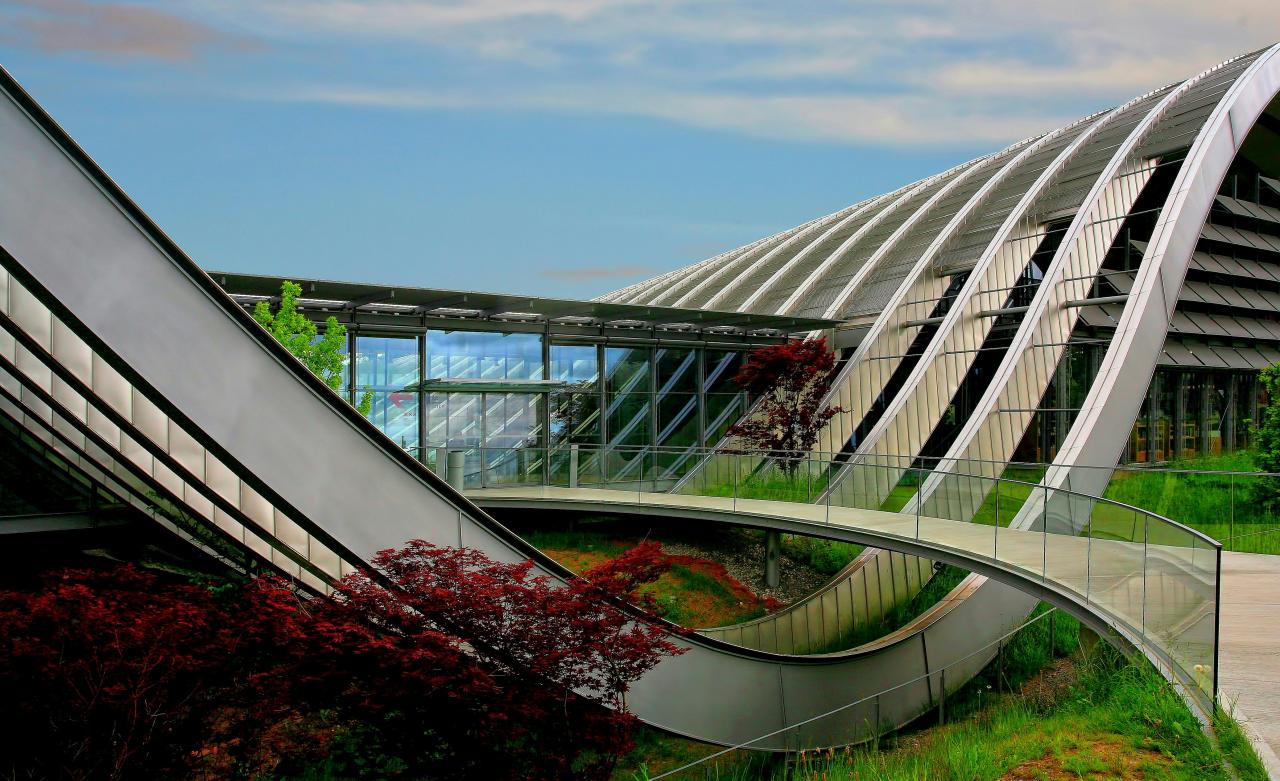
Moving away from the rigid right angles of industrial construction, biophilic wellness design embraces “biomorphic” forms—curves, arches, and flowing lines that mirror the shapes of the living world. These softer geometries are perceived by the brain as less threatening and more harmonious.
Curved walls and organic vaulted ceilings create a sense of flow and movement throughout the property. This architectural language guides the eye naturally and contributes to an overall feeling of grace and fluidity within the living space.
I. The Role Of Water In Emotional Restoration
The presence of water is one of the most powerful biophilic triggers for psychological restoration, often referred to as “Blue Mind” theory. Whether it is a reflecting pool, a small indoor fountain, or a strategic view of a natural lake, water provides a meditative focal point.
The visual and auditory presence of water has been proven to decrease heart rate and increase feelings of self-transcendence. In high-end wellness estates, the water feature is often the centerpiece of the home’s meditative or social zones.
J. Sensory Rich Green Roofs And Terraces
Rooftop gardens and landscaped terraces extend the biophilic experience to the exterior of the building, providing a private outdoor sanctuary. These spaces are designed to support local biodiversity, attracting birds and beneficial insects that add to the multisensory experience.
Green roofs also provide superior thermal insulation and manage stormwater runoff, contributing to the building’s overall sustainability profile. For the occupant, these spaces offer a vital “getaway” from the digital world without leaving the property.
K. Natural Color Palettes And Psychological Stability
Biophilic design utilizes a “nature-derived” color palette that moves beyond dull neutrals into sophisticated earthy tones, moss greens, and sky blues. These colors are psychologically associated with safety, fertility, and abundance, which helps to stabilize the occupant’s mood.
Strategic use of color can be used to delineate different functional zones—calming blues for bedrooms and energizing greens for home gyms. This color-theory approach ensures that the visual environment is always in alignment with the intended use of the space.
L. Multi-Sensory Garden Walkways And Mindfulness Paths
For larger estates, the design of the grounds includes “mindfulness paths” that encourage slow, deliberate walking through varied natural textures. These paths might include crushed stone, soft moss, and fragrant herbs like lavender or rosemary planted at waist height.
The goal is to engage all five senses simultaneously, pulling the occupant into the “present moment.” This active engagement with the environment is a powerful tool for combating anxiety and practicing daily mindfulness.
M. Integration Of Wildlife Habitats And Biodiversity
True biophilic design views the home as part of a larger ecosystem, incorporating bird boxes, bee hotels, and native plantings that support local wildlife. Observing the daily cycles of animals and insects provides a sense of connection to the broader web of life.
This “living landscape” provides a constant source of wonder and education for the household. It transforms the garden from a static display into a dynamic and evolving biological theater that celebrates the seasons.
N. Privacy Through Natural Screening and Buffer Zones
In dense urban environments, biophilic design uses dense plantings and layered foliage to create “natural curtains” that provide privacy without the need for heavy drapes or fences. This maintains the connection to daylight while shielding the interior from prying eyes.
The use of bamboo, tall grasses, or evergreen hedges creates a soft, living boundary that moves with the wind. This “soft” privacy is much more psychologically comforting than a solid, impenetrable wall.
O. Seasonal Adaptability And Changing Aesthetics
A biophilic home is designed to change with the seasons, celebrating the cycle of life rather than fighting it. Deciduous trees provide shade in the summer and allow light to penetrate in the winter, while seasonal plantings ensure the color palette is always shifting.
This connection to the passage of time helps the occupant feel more synchronized with the natural world. It provides a sense of variety and renewal that prevents the home environment from feeling stagnant or repetitive.
P. High-Performance Glass And View Optimization
The strategic placement of windows is essential for “framing” views of the natural world, turning the landscape into living art. High-performance, anti-glare glass ensures that the connection to the outdoors is clear and unobstructed at all times.
Windows are positioned to capture specific “micro-moments,” such as the way the sun hits a particular tree in the morning. This intentionality in the “view-shed” design ensures that every glance out the window provides a moment of mental refreshment.
Q. Smart Home Synergy and Wellness Monitoring
Biophilic homes are increasingly integrated with smart sensors that monitor air quality, humidity, and light levels to ensure they remain within the optimal “wellness zone.” The AI can automatically adjust the biophilic elements—like opening a skylight or increasing the flow of a water wall—to maintain balance.
This technological layer ensures that the biological benefits are maximized with zero effort from the resident. It is a “set-and-forget” approach to health that provides peace of mind and long-term vitality.
R. Impact On Healing And Post-Surgery Recovery
In the context of healthcare and rehabilitation, biophilic design has been shown to speed up post-surgery recovery times and reduce the need for pain medication. Homes that incorporate these features serve as powerful tools for long-term health management and longevity.
By creating a “healing environment,” the residence supports the body’s natural regenerative processes. This makes biophilic wellness design a critical consideration for multi-generational homes or “aging-in-place” strategies.
S. Biophilic Design And Corporate Performance
For the commercial sector, biophilic design is a high-value strategy for reducing employee burnout and increasing innovative thinking. A wellness-focused office attracts top-tier talent who are increasingly prioritizing their mental health over traditional perks.
The reduction in absenteeism and the increase in daily focus provide a clear return on investment for the business. It is a win-win scenario where the environment supports both the individual and the organization’s bottom line.
T. The Future Of Bio-Integrated Architecture
The next decade will see the rise of “living buildings” where the structural elements themselves are made of bio-materials or house active biological systems. This represents the ultimate destination of biophilic design—a total blurring of the lines between the built and natural worlds.
As we continue to urbanize, these “green lungs” within our cities will become the most valuable assets in the global real estate market. Investing in this vision today is a commitment to a healthier, more beautiful, and more resilient future for all.
Conclusion

Integrating biophilic design for mental wellness is a transformative approach to modern residential living. This strategy utilizes our innate connection to nature to promote deep psychological restoration and health. Homeowners can experience a significant reduction in daily stress by surrounding themselves with living systems. The use of natural light and circadian tuning is essential for maintaining a healthy biological rhythm.
Investors benefit from the increased market desirability and valuation of wellness-certified properties. Sustainable materials and botanical filtration systems create a cleaner and more vibrant indoor atmosphere. Advanced architectural configurations like “Prospect and Refuge” provide a profound sense of safety and peace. The future of luxury real estate lies in its ability to support the holistic well-being of its occupants.

