

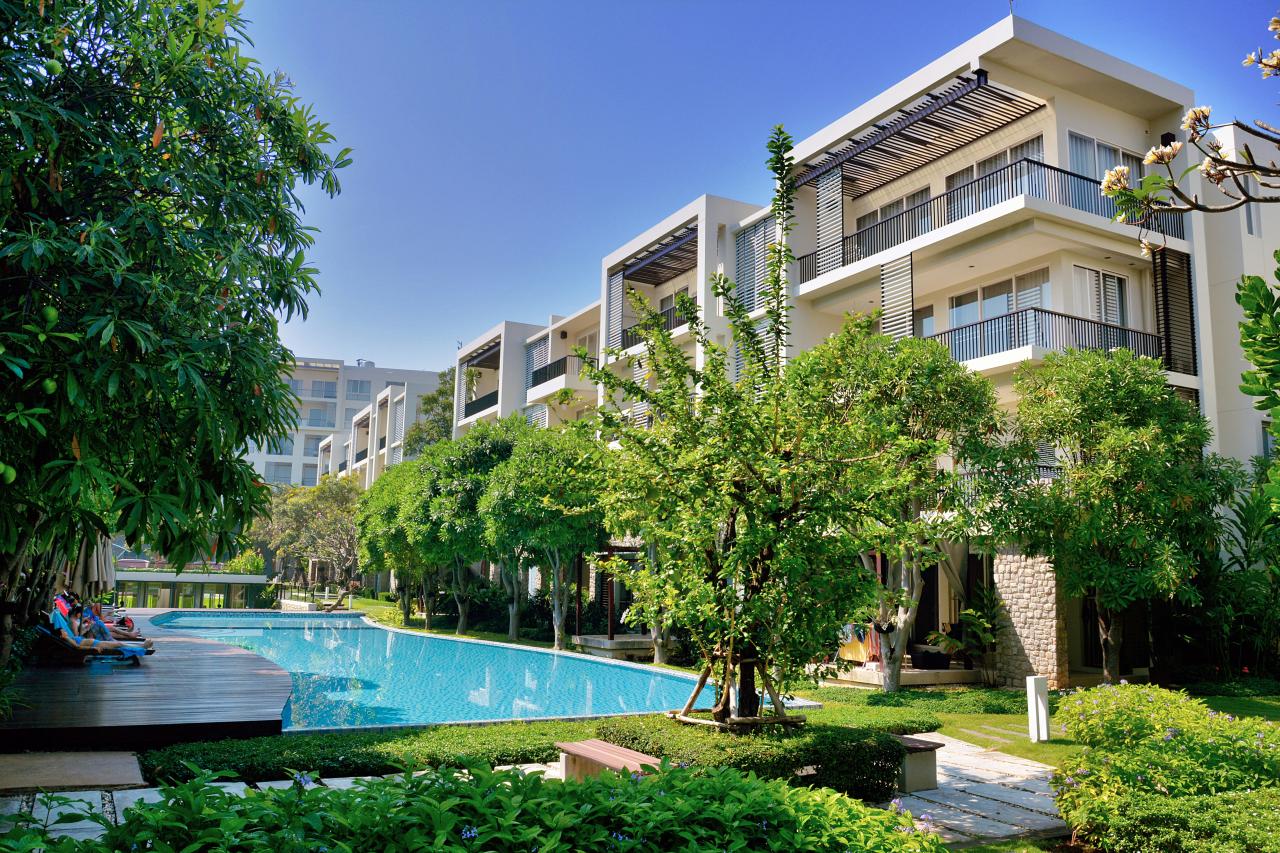
The conceptualization and execution of modern mixed use urban planning have evolved into the most significant frontier for high-stakes real estate investment and sophisticated metropolitan revitalization, representing a departure from the antiquated, single-use zoning models that previously dominated the global architectural landscape. For the institutional investor and the visionary municipal developer, these integrated ecosystems offer a premier opportunity to maximize land-use efficiency while simultaneously creating resilient, self-sustaining communities that can withstand the volatility of shifting economic cycles.
A truly successful mixed use development is a complex orchestration of residential sanctuary, premium commercial workspace, high-end retail experience, and inclusive public amenities, all woven together through advanced infrastructural engineering and biophilic design principles. This holistic approach focuses on the “fifteen-minute city” philosophy, where the necessity of long-distance commuting is replaced by a pedestrian-centric environment that prioritizes accessibility and human-scale interactions.
By blending diverse programmatic elements within a single structural footprint or a contiguous urban block, developers can achieve a significant diversification of risk, as the varied revenue streams from hospitality, office leasing, and residential sales work in a complementary financial symphony. We must consider the technical intricacies of sound attenuation between commercial and residential zones, the strategic management of shared parking logistics, and the implementation of decentralized smart energy grids that allow for localized resource optimization.
As urban populations continue to grow and the demand for experiential living increases, these mixed use nodes serve as critical hubs for innovation and social cohesion, offering a tangible connection to the cultural and economic pulse of the city. Ultimately, investing in the mastery of mixed use planning is about securing a legacy of sustainable growth, ensuring that our urban centers remain vibrant, adaptable, and highly profitable for the next generation of global citizens.
A. Vertical Integration Of Living And Working

The most effective mixed use models utilize vertical stratification to separate private residential units from high-traffic commercial zones while maintaining a single, cohesive building envelope. Typically, high-end retail occupied the street level, followed by premium office suites, and finally luxury residential penthouses at the highest elevations to maximize privacy and views.
This vertical density reduces the physical footprint of the development while maximizing the floor-area ratio. It creates a 24-hour cycle of activity that ensures the building remains vibrant and secure throughout the day and night.
B. Pedestrian Centric Public Realm Enhancements
Successful urban planning prioritizes the human experience at the ground level, replacing vast asphalt parking lots with wide, shaded boulevards and pocket parks. These “public living rooms” encourage foot traffic and increase the “dwell time” of visitors, which directly benefits ground-floor retail tenants.
By incorporating high-quality paving materials, integrated street furniture, and sculptural lighting, developers create a sense of place that traditional commercial strips lack. A walkable environment is a key driver for higher residential premiums and increased commercial lease rates.
C. Advanced Transit Oriented Development Synergy
Mixed use hubs are most profitable when they are strategically located at the intersection of major public transit nodes. Transit-Oriented Development (TOD) focuses on creating high-density clusters around subway, light rail, or bus rapid transit stations to minimize the reliance on private vehicles.
This synergy reduces the requirement for expensive underground parking structures, allowing developers to allocate more capital toward high-end finishes and amenities. TOD projects often receive significant regulatory support and density bonuses from municipal governments.
D. Multi Modal Logistics And Shared Parking
Managing the parking requirements of diverse users is a complex challenge that requires smart technology and flexible management. Shared parking models take advantage of the fact that office workers need spaces during the day, while residents and restaurant guests need them primarily at night and on weekends.
Using AI-driven parking management systems, a single parking bay can generate revenue twice in a 24-hour period. This efficiency drastically reduces the total volume of parking required, freeing up space for more profitable uses like retail or wellness centers.
E. Micro Retail And Incubator Spaces
To create a diverse and authentic urban fabric, planners are increasingly allocating space for micro-retail units and start-up incubators. These smaller footprints allow for a variety of local boutiques and artisanal food outlets that give the development a unique cultural identity.
These spaces act as “activation points” that attract a younger, tech-savvy demographic. For the developer, these smaller units often command higher per-square-foot rents than large-scale big-box retailers.
F. Adaptive Reuse Of Historic Urban Fabric
Integrating existing historic structures into a new mixed use master plan adds a layer of character and “soul” that new construction cannot replicate. Adaptive reuse involves transforming old factories or warehouses into creative office lofts or trendy residential units.
Preserving the embodied energy of original structures is also a major win for sustainability and green building certifications. Historic elements provide a visual anchor that distinguishes the development from its competitors in the luxury market.
G. Smart Grid Decentralized Energy Management
Modern mixed use districts are increasingly being designed with their own localized microgrids and energy storage systems. By sharing energy between commercial buildings (which peak during the day) and residential units (which peak at night), the entire district becomes more efficient.
Predictive AI helps manage the load balancing across the different programmatic zones. This decentralization provides a layer of resilience against municipal grid failures and reduces long-term operational utility costs.
H. Biophilic Corridors And Green Infrastructure
The inclusion of green roofs, vertical gardens, and bioswales is essential for mitigating the urban heat island effect in dense mixed use zones. These biophilic elements provide a necessary connection to nature for residents and office workers alike.
Green infrastructure also manages stormwater runoff locally, reducing the strain on city sewers during heavy rain events. It transforms functional requirements into aesthetic assets that enhance the property’s overall market appeal.
I. Acoustic Shielding And Vibration Control
A common challenge in mixed use design is preventing the noise of a ground-floor bar or gym from disturbing the residential units above. This requires advanced acoustic engineering, including floating floor slabs and high-performance sound-dampening insulation.
Strategic placement of “buffer floors”—such as mechanical levels or storage zones—can also help isolate different programmatic uses. Superior acoustic privacy is a non-negotiable requirement for achieving premium residential sales prices.
J. Flexible Zoning And Future Proofing
Designers are moving toward “loose-fit” architecture that allows spaces to be easily reconfigured as market demands shift over time. An office floor today might be converted into residential units or a health clinic a decade from now without requiring structural changes.
This flexibility is achieved through standardized ceiling heights, modular facade systems, and centralized utility cores. Future-proofing the asset ensures its long-term viability and reduces the risk of technological or social obsolescence.
K. Integrated Wellness And Fitness Hubs
The modern urban dweller expects high-end wellness facilities to be integrated directly into their living and working environment. Mixed use developments now feature world-class gyms, spas, and yoga studios that serve both residents and the local workforce.
These amenities create a sense of community and encourage a healthy lifestyle. They are powerful tools for tenant retention and allow for the cross-pollination of different user groups within the development.
L. Cultural And Educational Program Anchors
Incorporating a library, art gallery, or satellite university campus provides a stable “anchor” that attracts constant foot traffic. These institutional tenants provide long-term lease stability and enhance the intellectual prestige of the neighborhood.
Cultural programming, such as outdoor cinema nights or farmers’ markets, helps activate the public realm. These activities turn a collection of buildings into a true destination that people want to visit and inhabit.
M. Decentralized Last Mile Logistics Hubs
With the rise of e-commerce, mixed use developments must include dedicated zones for delivery vehicle access and smart locker systems. Integrating these “last-mile” logistics hubs into the basement or service levels prevents street-level congestion.
These systems are designed to handle high volumes of packages with minimal human intervention. Efficient logistics management is a vital but often overlooked component of a high-performance urban master plan.
N. Graywater Recycling And Resource Circularity
To minimize the environmental impact, large-scale mixed use projects often feature on-site water treatment facilities. Greywater from residential showers is treated and reused for toilet flushing and landscape irrigation throughout the district.
This circular approach to resource management significantly reduces water consumption and sewage output. It is a key factor in achieving high-level sustainability ratings such as LEED or BREEAM.
O. Security Through Environmental Design
Mixed use developments naturally enhance safety through the concept of “eyes on the street.” The continuous presence of residents, workers, and shoppers at different times of the day creates a self-policing environment that discourages crime.
Careful lighting design and the elimination of blind corners further enhance the perceived and actual security of the public realm. A safe environment is essential for maintaining the luxury status of the development.
P. Modular Construction For Urban Infill
Using modular and prefabricated components allows for the rapid development of mixed use projects on tight urban infill sites. This method minimizes noise and dust, which is critical when building in already populated neighborhoods.
Prefabrication also ensures a higher level of quality control and precision for complex building envelopes. It allows developers to achieve a faster “speed-to-market,” which is vital for maintaining healthy project internal rates of return.
Q. High Bandwidth Digital Infrastructure
A modern mixed use district functions as a giant data center, requiring a robust fiber-optic backbone and 5G small-cell integration. This digital infrastructure supports everything from smart home automation to high-frequency trading in the office suites.
Providing seamless, high-speed connectivity throughout the public and private zones is a major competitive advantage. It ensures that the development can support the increasingly data-heavy needs of modern businesses and remote workers.
R. Placemaking And Branding Strategies
Successful developments have a strong, recognizable identity that is reflected in their naming, signage, and architectural character. Placemaking involves creating unique experiences that resonate emotionally with the people who use the space.
This branding extends to the curated selection of retail tenants and the types of events hosted in the public plaza. A strong brand identity allows the developer to charge a “premium” based on the lifestyle associated with the location.
S. Inclusive And Diverse Housing Models
To ensure social sustainability, many mixed use projects incorporate a range of housing types, from luxury penthouses to smaller “micro-suites” and affordable units. This diversity creates a more vibrant and resilient community.
Integrating different income levels and age groups prevents the creation of mono-cultural enclaves. A diverse population supports a wider variety of retail and service businesses, contributing to the overall economic health of the district.
T. The Evolution Of The Urban Skyline
Iconic mixed use towers often become the defining landmarks of a city’s skyline, representing its economic ambition and architectural prowess. These “vertical cities” push the boundaries of structural engineering and material science.
As we move deeper into this decade, the mastery of mixed use planning will continue to define the world’s most successful urban centers. It is the most sophisticated and responsible way to build the cities of the future.
Conclusion
 Mixed use urban planning represents the most effective strategy for high-yield property development. The integration of diverse programmatic uses creates a resilient financial model for long-term growth. Pedestrian-centric design enhances the livability and commercial success of urban centers. Smart infrastructure allows for the efficient management of energy, water, and waste resources.
Developers can capture significant premiums by offering a seamless live-work-play lifestyle. Sustainability and biophilic design are essential for meeting modern environmental standards. Advanced technology ensures that these dense environments remain secure and highly connected. Strategic mixed use nodes are the foundation of vibrant and competitive global cities.

