

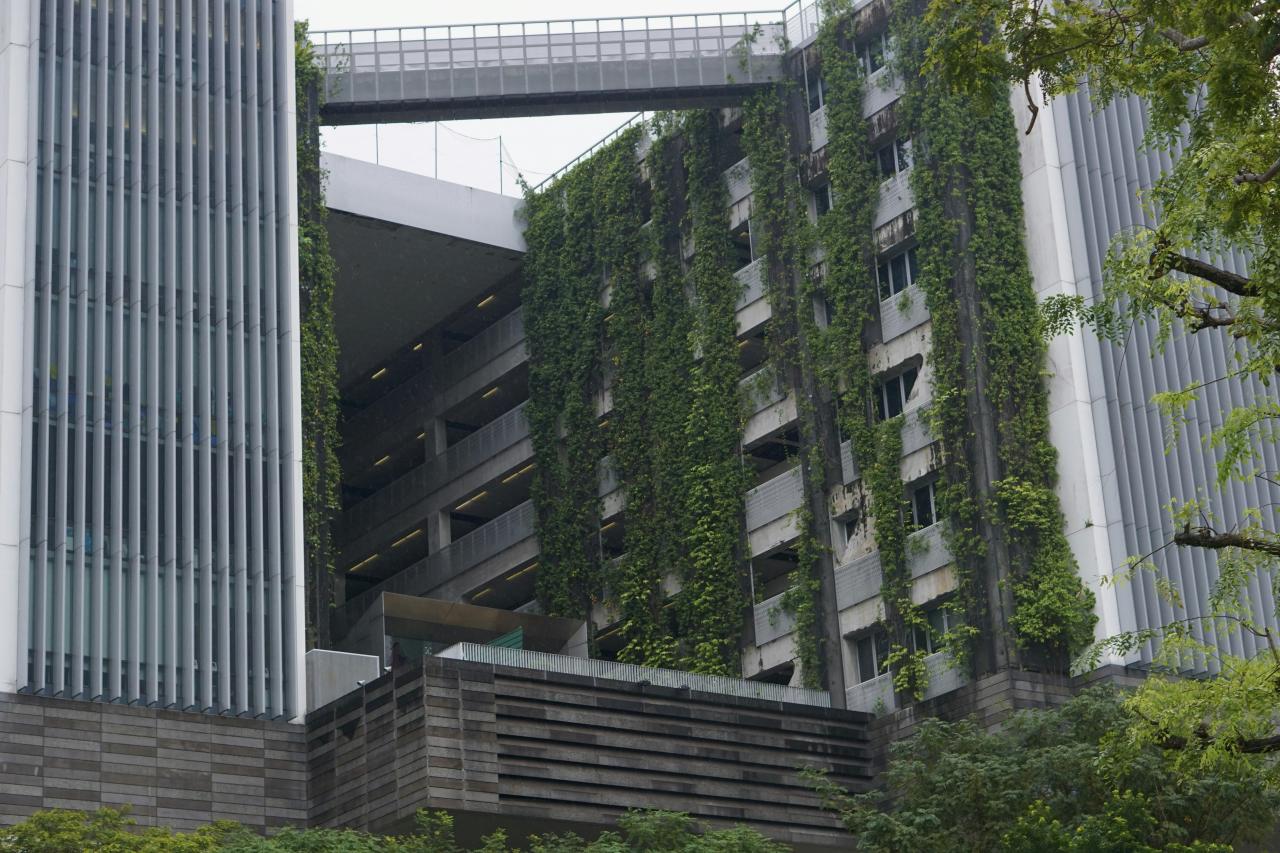
The strategic implementation of biophilic office design has transcended the status of a mere aesthetic trend to become a fundamental pillar of high-performance corporate real estate investment and human capital optimization. In the competitive landscape of modern commerce, the integration of natural elements into the workspace—ranging from sophisticated living walls and circadian lighting systems to the use of organic materials and fractal patterns—serves as a powerful catalyst for enhancing cognitive function, reducing psychological stress, and fostering a culture of innovation.
For the discerning property owner and the forward-thinking corporate executive, biophilic design represents a premier opportunity to align the physical environment with the biological imperatives of the human workforce, thereby directly influencing key performance indicators such as employee retention, absenteeism rates, and overall operational efficiency. This design philosophy is deeply rooted in the “Biophilia Hypothesis,” which suggests that humans possess an innate, evolutionary tendency to seek connections with nature and other forms of life. When this connection is successfully facilitated within a commercial setting, it triggers a cascade of physiological benefits, including lowered cortisol levels and improved cardiovascular health, which in turn leads to sharper focus and higher levels of creative output.
Furthermore, the deployment of biophilic strategies contributes significantly to achieving prestigious green building certifications, which enhances the asset’s market valuation and attracts premium tenants who are committed to environmental, social, and governance (ESG) standards. By moving beyond the sterile, artificial environments of the past, modern office design is embracing a more holistic and resilient approach that views the workspace as a living ecosystem designed to nurture the talent within.
This comprehensive exploration into the mechanics of biophilic integration will examine the role of thermal variability, the importance of non-rhythmic sensory stimuli, and the strategic use of natural analogs to create a sanctuary of productivity in the heart of the urban jungle. It is a bold commitment to a future where the built environment and the natural world are synchronized to provide a superior and sustainable competitive advantage for global industry leaders.
A. Advanced Living Wall Systems And Air Purification

The installation of vertical gardens, or living walls, serves as a primary visual and biological anchor in a biophilic office, providing a lush backdrop that immediately lowers the perceived stress levels of staff. These systems utilize a variety of plant species that are specifically selected for their ability to filter volatile organic compounds (VOCs) and increase ambient oxygen levels.
Beyond air quality, living walls provide natural acoustic dampening, reducing the distracting noise typical of open-plan environments. For the building owner, this is a high-value asset that requires specialized irrigation and lighting but offers a massive return in terms of employee well-being and visual prestige.
B. Circadian Lighting And Natural Daylight Optimization
Human-centric lighting is a critical biophilic element that mimics the natural movement and color temperature of the sun throughout the day. By using automated LED systems that transition from cool blue tones in the morning to warm amber in the evening, the workspace supports the biological clock of every occupant.
This synchronization is essential for maintaining high energy levels during the workday and ensuring better sleep quality at night. Maximizing access to natural daylight through large-scale glazing and light wells further reduces the reliance on artificial sources, cutting energy costs while boosting morale.
C. Strategic Use Of Natural Materials And Analogs
Incorporating raw, tactile materials like sustainably sourced timber, natural stone, and polished concrete creates a grounding effect that sterile synthetic materials cannot replicate. These materials possess “natural analogs”—patterns and textures that we find in nature—which have been shown to reduce blood pressure and heart rate.
Designers often utilize wood with visible grain or stone with natural veining to provide visual interest that feels organic and calming. This investment in high-quality materials not only improves the user experience but also increases the long-term durability and luxury feel of the commercial interior.
D. Thermal And Airflow Variability Mechanics
A truly biophilic office avoids the stagnant, perfectly uniform temperature of traditional HVAC systems in favor of subtle thermal variability. By introducing gentle breezes or allowing for slight fluctuations in temperature, the environment feels more like a natural outdoor setting, which keeps the brain alert.
This can be achieved through smart ventilation systems that use “calmed air” technology to prevent drafts while ensuring constant fresh air exchange. Occupants who have control over their local thermal environment report much higher levels of satisfaction and personal comfort.
E. The Power Of Natural Fractal Patterns
Fractals are complex patterns that repeat at different scales, commonly found in leaves, snowflakes, and coastlines. Research in neuro-architecture has proven that looking at mid-range fractal patterns in carpets, wall coverings, or architectural screens can reduce stress levels by up to 60%.
Integrating these patterns into the office decor provides “effortless” visual interest that allows the eyes to rest and recover from the strain of looking at digital screens. It is a subtle but scientifically backed method for preventing cognitive fatigue in high-pressure work environments.
F. Integrating Water Features For Acoustic Serenity
The presence of water, whether through a small indoor fountain or a larger reflecting pool, introduces a soothing auditory element that masks distracting office chatter. The sound of moving water is one of the most effective non-rhythmic sensory stimuli for promoting a state of “relaxed alertness.”
Water features also contribute to natural evaporative cooling and humidification, making the air feel fresher and more comfortable. For a premium office, a well-designed water installation serves as a luxurious focal point that defines the building’s sophisticated character.
G. Indoor Trees And Large Scale Biophilic Anchor Points
Placing large potted trees or even small indoor forests in central atriums or “work-cafes” creates a sense of awe and connection to the larger world. These biological anchors provide a sense of scale and permanence that helps ground the fast-paced nature of modern corporate life.
Trees like Ficus or indoor-adapted Palms act as natural sculptures, adding height and volume to the design. They serve as gathering points for informal collaboration, encouraging movement and social interaction among different teams.
H. Non Rhythmic Sensory Stimuli For Focus
Nature is never perfectly still; there is always the subtle movement of a leaf or the shifting of light through clouds. Biophilic design introduces these non-rhythmic stimuli—such as kinetic art or shadows cast by plants—to provide a sense of life within the workspace.
These subtle movements prevent the “sensory deprivation” that often occurs in traditional office blocks. By providing the brain with minor, non-distracting visual cues, the environment feels more vibrant and less oppressive during long working hours.
I. Biophilic Zoning And Prospect-Refuge Theory
Effective office design utilizes the “prospect-refuge” theory, providing open areas with wide views (prospect) paired with smaller, enclosed spaces for focused work (refuge). This balance addresses our evolutionary need to see our surroundings while feeling protected.
High-end offices achieve this through the use of glass-walled pods nestled among greenery. This allows employees to choose the environment that best fits their current task, whether it is a collaborative brainstorming session or deep, concentrated analysis.
J. Sensory Rich Breakrooms And Wellness Zones
The biophilic philosophy should extend into the areas where employees go to recharge. Wellness zones equipped with massage chairs, low-level warm lighting, and abundant greenery provide a total sensory “reset” during the lunch hour.
These spaces often feature scents of cedar or citrus and play recordings of natural soundscapes to block out the sounds of the city. Providing a true sanctuary for rest is a powerful tool for maintaining employee mental health and long-term productivity.
K. Exterior Connections And Outdoor Workspaces
Modern biophilic buildings are designed with seamless transitions to outdoor areas like rooftop gardens or landscaped terraces. Allowing employees to work outside in the fresh air and sunshine is a major differentiator for premium commercial properties.
These outdoor spaces are equipped with high-speed Wi-Fi and weather-protected power outlets, making them functional extensions of the indoor office. Fresh air and a change of scenery are proven to spark creativity and break through mental blocks.
L. Impact On Talent Recruitment And Retention
In the global competition for top-tier talent, the physical workspace is a major factor in a candidate’s decision to join a company. A biophilic office signals that the employer values the health and well-being of their staff, making the firm much more attractive.
Retention rates are significantly higher in “green” offices because employees feel more comfortable and less exhausted at the end of the day. It is a strategic investment in the most valuable asset of any company—its people.
M. Achieving LEED And WELL Building Certifications
Biophilic design is a core component of both LEED (Leadership in Energy and Environmental Design) and the WELL Building Standard. These certifications are prestigious markers of quality that increase the market value of the real estate.
Premium tenants are often willing to pay higher rents for spaces that are officially certified for health and sustainability. This makes biophilic integration a sound financial strategy for developers looking for high-yield commercial assets.
N. Acoustic Privacy Through Biological Buffers
Plants are remarkably effective at absorbing and scattering sound waves, especially in the frequency range of human speech. Using “plant partitions” instead of hard plastic walls allows for an open feel while providing necessary acoustic privacy.
This creates a more peaceful environment where conversations are contained and the constant drone of office life is softened. It is an “invisible” benefit that significantly improves the daily experience of the workforce.
O. Reducing The Carbon Footprint Through Material Choice
Selecting natural materials like cross-laminated timber (CLT) or reclaimed stone significantly reduces the embodied carbon of a fit-out project. Biophilic design and sustainable construction go hand-in-hand, supporting a circular resource economy.
This environmental responsibility is a key part of modern corporate branding. Occupying a space that is both beautiful and eco-friendly enhances a company’s reputation with clients and investors alike.
P. Cognitive Benefits And Creative Problem Solving
Studies have shown that exposure to natural environments can improve short-term memory and creative problem-solving abilities by up to 15%. This “restorative” effect of nature is essential for knowledge workers who perform complex tasks.
By providing a biophilic environment, a company is essentially providing a “cognitive performance enhancer” for its staff. This leads to better decision-making and a more innovative output for the entire organization.
Q. Future Proofing The Workplace Experience
As the boundaries between work and home continue to blur, the office must offer something that a home office cannot. A high-end biophilic workspace provides a curated, multisensory experience that justifies the commute for employees.
The focus on wellness and nature is a long-term shift that will only become more important in the coming years. Investing in these systems today ensures that the property remains relevant and desirable for decades to come.
R. Lowering Absenteeism And Healthcare Costs
A healthier work environment leads to fewer sick days and lower long-term healthcare costs for the employer. Improved air quality and reduced stress levels directly translate into a more resilient and present workforce.
This “hidden” ROI is a major factor for large corporations when choosing their headquarters. A building that keeps people healthy is a building that keeps the business running smoothly.
S. Psychological Safety And Sense Of Belonging
Being surrounded by life and natural beauty creates a sense of psychological safety that encourages employees to take risks and be themselves. This sense of belonging is the foundation of a strong and collaborative corporate culture.
Biophilic spaces feel more human and less institutional, breaking down barriers between different levels of the hierarchy. It creates a “level playing field” where every employee feels valued and inspired.
T. The Global Shift Toward Luminous Architecture
The future of biophilic design lies in the creation of “luminous architecture,” where light, plants, and structural elements are fully integrated into a single organism. This represents the pinnacle of modern design, offering a vision of the city as a living forest.
As technology improves, we will see even more sophisticated ways to bring the natural world indoors. This is the ultimate destination for the modern office—a place where humans and nature thrive together in perfect harmony.
Conclusion

Biophilic office design is a strategic investment in the future of human productivity and wellness. By integrating natural elements, companies can create a workspace that naturally reduces stress and boosts focus. The shift toward human-centric lighting and air quality improves the long-term health of the workforce. Natural materials and fractal patterns provide an aesthetic that is both timeless and scientifically beneficial.
Property owners benefit from higher market valuations and the ability to attract premium corporate tenants. Green building certifications like WELL and LEED are significantly easier to achieve with biophilic strategies. The office becomes a destination that supports creativity and fosters a sense of community among staff. Embracing the connection between humans and nature is the most effective way to build a resilient and innovative company.

